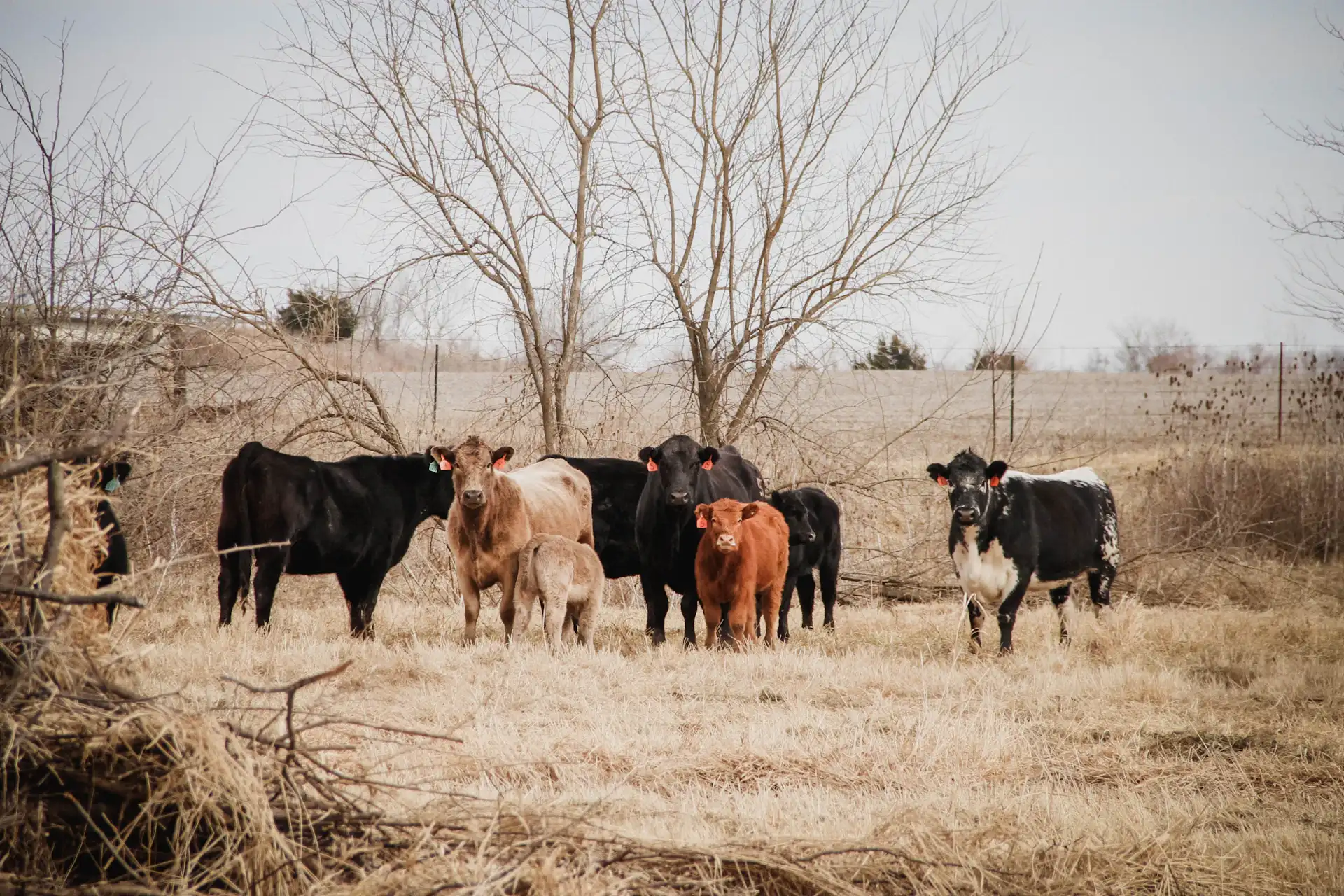
Winter feeding is one of the largest expenses and most important management areas for beef cattle producers. Cattle that enter winter in good condition and receive the right nutrition stay healthier, rebreed more successfully, and wean heavier calves the following year. The decisions you make in October largely determine how well your herd handles the coming months. Waiting until cold weather arrives to make changes almost always costs more money and creates more stress on both cattle and people. A planned approach is far more effective than a reactive one.
Start with a Realistic Hay Inventory
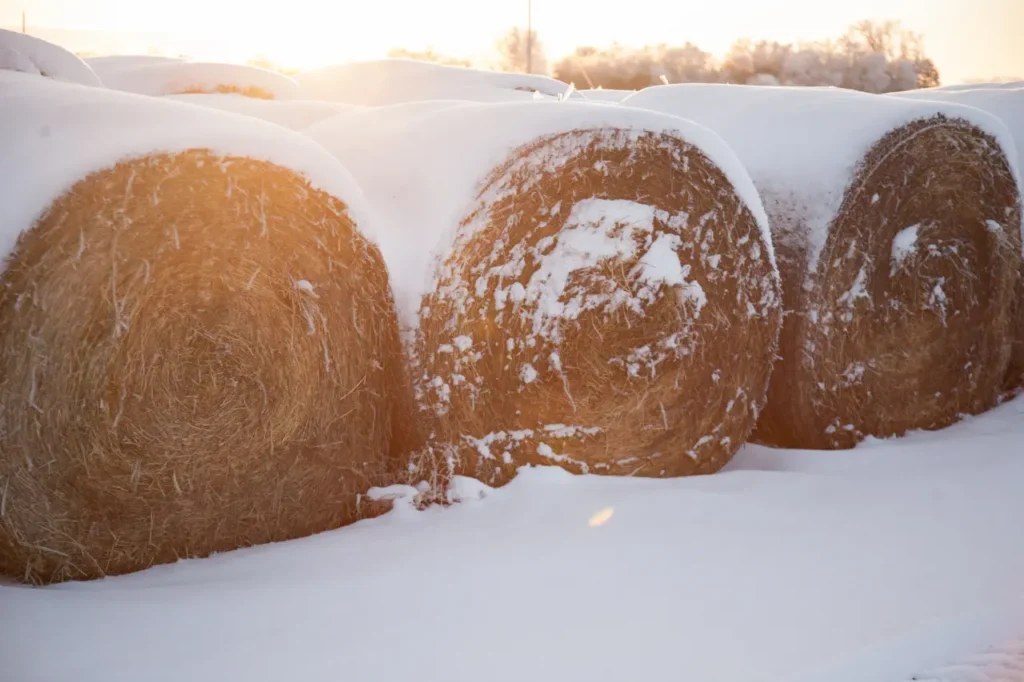
Begin by taking an accurate inventory of the hay you have on hand. Weigh bales when possible or carefully estimate the total tons available using consistent methods. Compare that number to expected winter needs based on the number of cattle, their average weight, stage of production, and the typical length of your winter feeding period. A dry cow typically requires 2.5 to 3 percent of her body weight in dry matter each day, and that requirement rises as temperatures fall. Cold, wet, or windy weather further increases energy demands. Many producers underestimate how much hay will actually be needed once the weather turns consistently cold and cattle begin cleaning up more aggressively. Building a 15–20% buffer into your inventory provides important peace of mind and protects against longer-than-expected winters or poorer-than-expected hay quality. It is much easier to have a little extra hay in March than to be searching for expensive forage in the middle of a cold stretch.
Test Your Forage for Better Decisions
Testing hay for protein and energy content removes a great deal of guesswork. Two lots of hay that look similar can vary widely in nutritional value. Knowing the actual quality helps you decide whether supplementation will be necessary and what type of supplement will be most cost-effective. Forage testing is one of the highest-return practices available to cattle producers heading into winter. Core samples from multiple bales in each lot give the most accurate picture. Once you have results, you can group hay by quality and feed the better hay to cattle with higher requirements while stretching average or lower-quality hay with appropriate supplements. This targeted approach improves both animal performance and feed efficiency.
Body Condition Scoring in the Fall
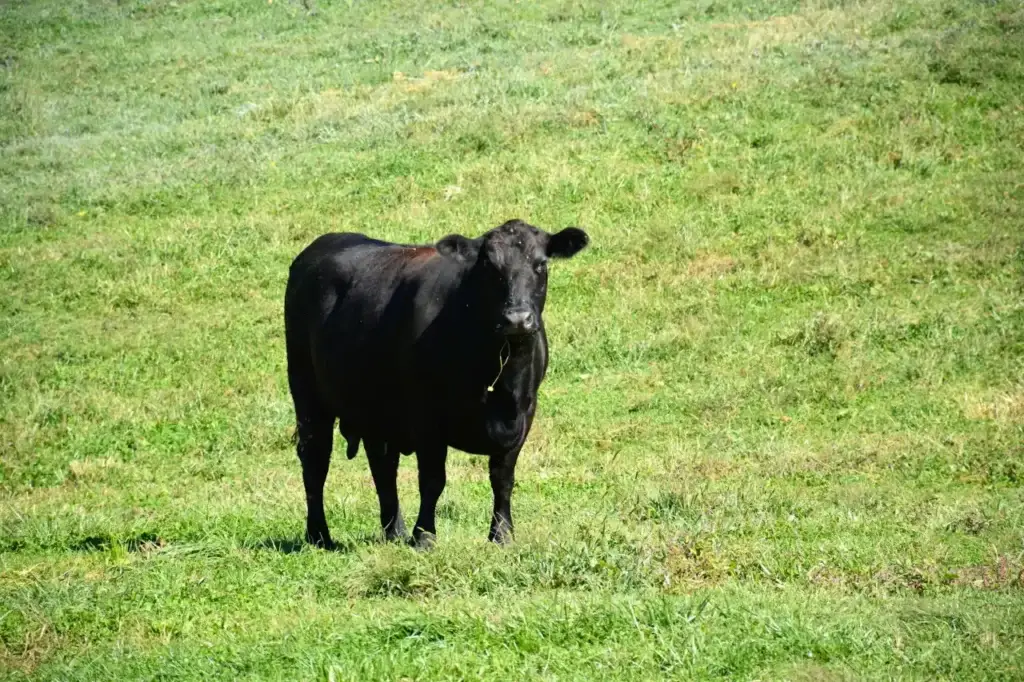
Body condition scoring in October is extremely valuable. Aim for a score of 5 to 6 on mature cows before the hardest weather arrives. Thin cows require significantly more feed to maintain weight in cold temperatures and are more likely to have weaker calves and delayed rebreeding. Sort and feed thinner cattle separately so you can target extra nutrition where it is needed most. Document scores with written notes or photos so you can monitor changes through the winter months. Catching weight loss early is far easier and less expensive than trying to correct it in January or February. First-calf heifers and older cows often need closer attention because they tend to lose condition faster under nutritional stress. Walking through the herd every couple of weeks with a critical eye pays real dividends.
Understanding Increased Energy Requirements
As temperatures drop, cattle burn more energy simply to stay warm. A practical guideline is that energy requirements increase roughly 1 percent for every degree the wind chill falls below 32°F. When weather turns harsh, it is usually more effective to increase the energy density of the ration rather than simply offering more low-quality hay. High-quality hay, distillers grains, corn, or a well-formulated energy supplement can make a noticeable difference in maintaining condition without excessive feed waste. Cattle in good body condition have an insulating layer of fat that helps them handle cold more efficiently than thin cattle, which is another reason fall body condition scoring matters so much. Providing adequate energy also supports immune function during a time of year when cattle face increased stress.
Water Availability Is Critical
Water is often the limiting factor in winter feeding programs. Cattle prefer water temperatures between 40 and 65°F and will reduce intake if water is near freezing. Lower water intake quickly reduces feed intake and can lead to digestive problems, including impaction. Keep tanks clean and use reliable tank heaters or continuous-flow systems so cattle always have access to drinkable water. Checking water sources daily during cold weather should be a non-negotiable part of the routine. In very cold conditions, some producers offer water more frequently in smaller amounts to encourage intake. Never assume that cattle can meet their water needs by eating snow, this is not an adequate substitute.
Continue Mineral Supplementation Through Winter
Mineral needs do not disappear when cattle move to stored forage. Free-choice minerals formulated for beef cattle help support immune function, reproduction, and overall health during the stressful winter months. Consistent mineral intake is especially important for cows in late gestation and early lactation. Choose a mineral that matches your region’s common deficiencies and keep feeders full and accessible. Cattle that are short on key minerals often show reduced feed efficiency and poorer immune response when weather stress increases. Placing mineral feeders near water sources or loafing areas can help improve consistent intake.
Reducing Hay Waste
Hay waste can quietly increase feed costs by 20 to 40 percent when feeders are poorly designed or overfilled. Good hay rings, cone feeders, or elevated feeders that limit trampling pay for themselves quickly. Every bale saved is money that stays in the operation. Feeding smaller amounts more frequently can also reduce waste in some situations. Moving feeding locations periodically helps prevent mud buildup and reduces the amount of hay that gets driven into the ground. Taking a few minutes to manage feeding points carefully can save a surprising number of bales over the course of a winter.
Feeding Different Groups Separately
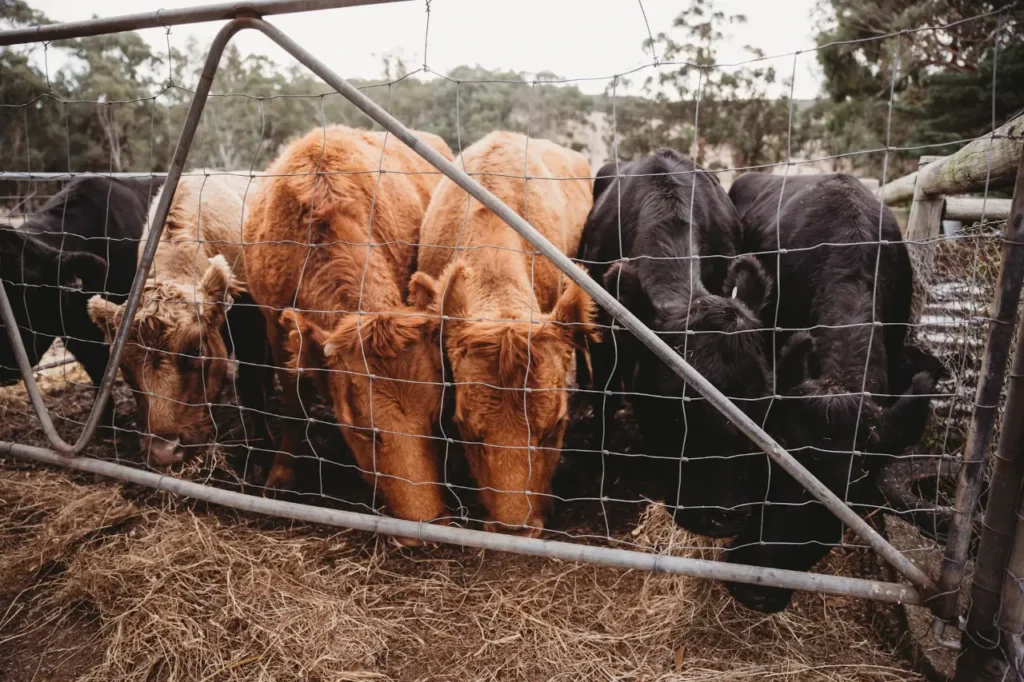
Young growing cattle, first-calf heifers, and lactating cows have higher nutritional requirements than dry mature cows. Feeding these groups separately prevents mature cows from over-consuming and allows younger or lactating animals to receive the extra nutrition they need. A one-size-fits-all approach almost always leaves some cattle short and others overfed. Even simple sorting into two or three groups can improve overall herd performance and feed efficiency. If labor or facilities limit sorting, consider at least separating the thinnest cows and first-calf heifers for targeted feeding. The improvement in uniformity and reproductive performance is often noticeable the following year.
Build a Contingency Plan Early
Have a backup plan in place before winter arrives. If hay supplies run short or weather is unusually severe, know where you can quickly source additional forage or energy supplements. Waiting until you are already short creates unnecessary stress and usually results in higher prices. Establishing relationships with alternative suppliers in the fall is a smart management move. Some producers also maintain a small inventory of higher-energy feeds specifically for emergency cold-weather use. A written contingency plan removes emotion from the decision when conditions turn difficult.
Long-Term Benefits of Planned Winter Feeding
Cattle that are fed according to their actual needs rather than a generic program come through winter in better condition. They rebreed more readily, produce stronger calves, and require less expensive catch-up feeding in the spring. The time spent planning in October is repaid many times over by the end of the winter feeding period. Good winter feeding strategies protect both animal performance and the operation’s bottom line. Producers who consistently apply these principles tend to see more uniform body condition across the herd and fewer open cows at pregnancy checking time. The habits built in the fall become the foundation for a more resilient and profitable cow herd.
At Reiterman Feed & Supply we carry quality beef feeds, minerals, and supplements from Purina & Kalmbach, and other trusted brands, along with the practical supplies that make winter feeding more efficient. Stop in or call us, we are ready to help you build a winter feeding program that works for your herd and your budget.
Related reading: Mineral Management for Grazing Beef Cattle