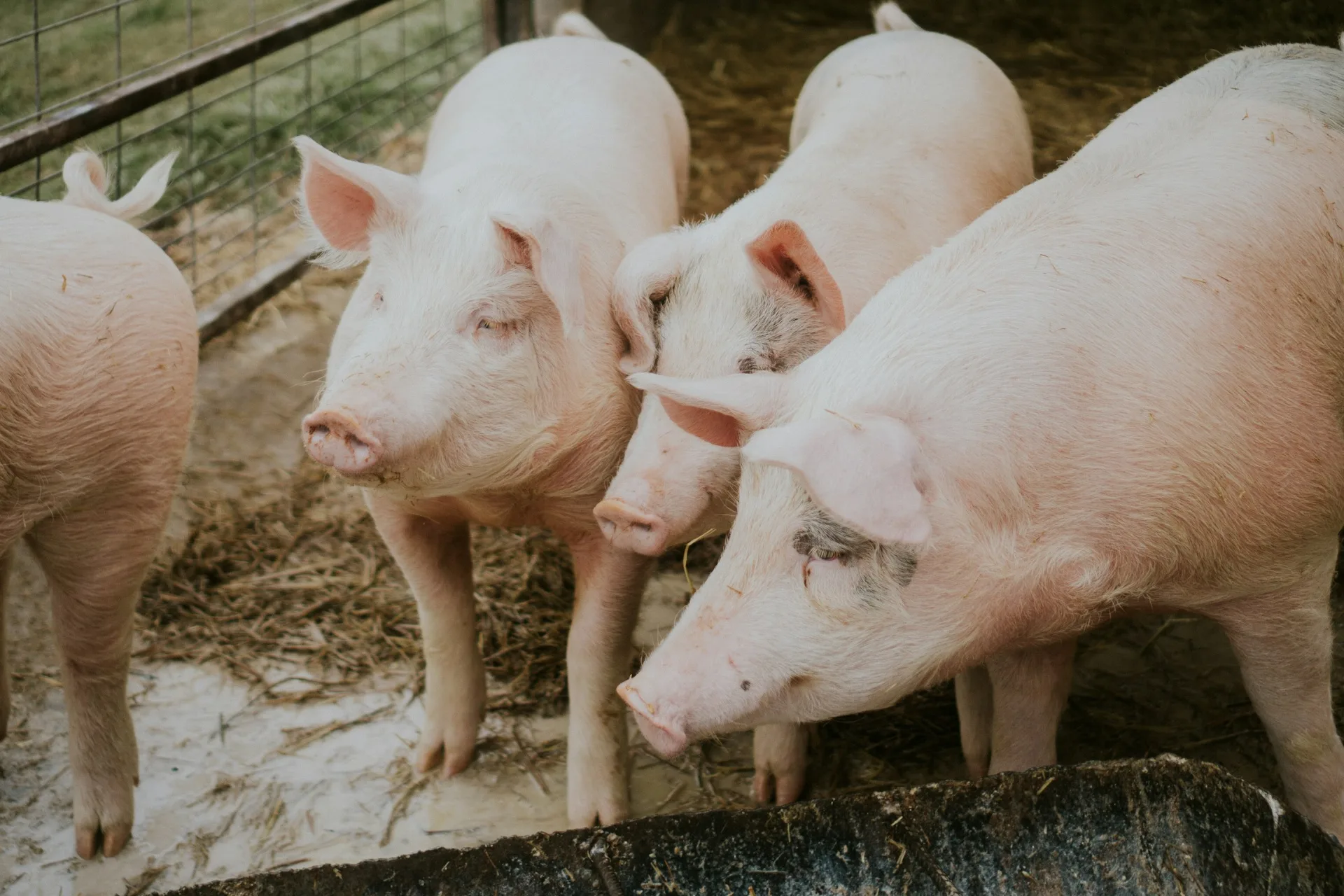
Feed typically accounts for 60 to 70 percent of the total cost of producing a market pig. That single fact makes feed conversion, the pounds of feed required to produce one pound of body weight gain, one of the most important numbers on any swine operation. Even small improvements in feed conversion can have a meaningful impact on profitability over the course of a year. Understanding the factors that influence feed conversion and managing them consistently is one of the highest-return activities a producer can focus on.
Feed conversion is influenced by genetics, health status, environment, and nutrition. While genetics set the upper potential, everyday management and the right feeding program determine how close pigs come to reaching that potential. The difference between average and excellent feed conversion is rarely the result of one big change. It is usually the combined effect of several well-managed details working together over time.
Matching Diets to the Stage of Production
One of the most effective ways to improve feed conversion is to match the diet to the pig’s current stage of growth. Nursery pigs, grower pigs, and finisher pigs have different requirements for amino acids, energy, and minerals. Feeding a single diet across all stages almost always reduces efficiency. Phase feeding, changing diets as pigs grow, keeps nutrient levels closer to actual needs and reduces the overfeeding of expensive ingredients. Many producers see noticeable improvements simply by moving from one or two diets to a more structured phase-feeding program. The closer the diet matches the pig’s current requirements, the less feed is wasted on nutrients the animal cannot fully use. This becomes especially important as pigs move into the heavier finishing stages.
Focus on Amino Acid Balance, Not Just Protein Percentage
Protein quality and amino acid balance matter more than the crude protein percentage listed on the feed tag. Modern pig feeds are formulated on an ideal amino acid basis so pigs receive the correct levels of lysine, methionine, threonine, and other limiting amino acids without excess crude protein. Extra protein that the pig cannot use is simply wasted and increases nitrogen excretion. Paying attention to amino acid balance rather than chasing a high protein number is a more efficient and often more economical approach. This becomes particularly important in the later finishing stages when overfeeding protein can quietly raise costs without improving gain. Working with a nutritionist or using well-formulated commercial feeds takes much of the guesswork out of this process.
Energy Density and Its Effect on Intake
Pigs eat primarily to meet their energy needs. Diets that are too low in energy cause pigs to over-consume feed in an attempt to get enough calories, which worsens feed conversion. Properly balanced energy levels support efficient growth and help keep feed costs under control. The right energy density allows pigs to meet their requirements without excessive feed consumption. When energy is correctly balanced with amino acids, pigs are able to deposit lean gain more efficiently. Getting this balance right is one of the core principles of good swine nutrition.
Particle Size, Pelleting, and Feed Form
Particle size and pellet quality influence digestibility. Finely ground, well-pelleted feeds are generally used more efficiently than coarsely ground mash, provided the grind is not so fine that it causes stomach ulcers or bridging in feeders. Consistent pellet quality also reduces sorting and waste at the feeder. Attention to feed form is a detail that often separates average from above-average conversion rates. Even small improvements in pellet durability can reduce the amount of fines that pigs leave behind or sort out. Checking feeders for excessive fines is a simple but useful habit.
Keep Feed Fresh and Feeders Clean
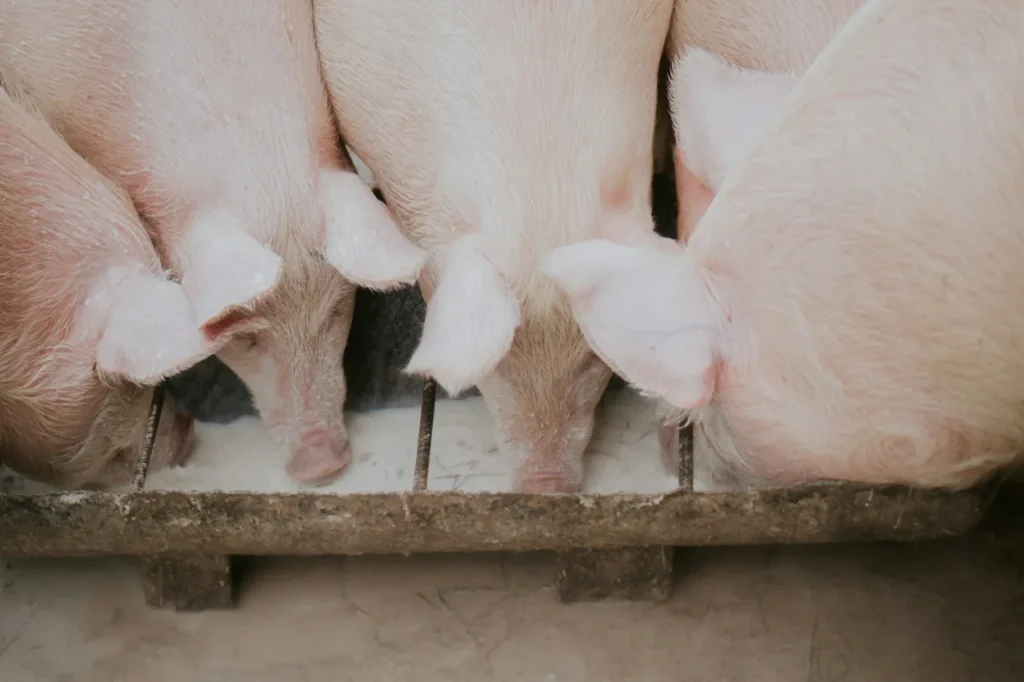
Stale or improperly stored feed loses both nutrient value and palatability. Rotate inventory so older feed is used first, and clean feeders regularly. Pigs perform best when they always have access to clean, high-quality feed. Wet, moldy, or heavily sorted feed reduces intake and efficiency. Simple feeder management habits can protect the investment you make in good nutrition. Checking feeders daily for bridging, spoilage, or excessive fines is a low-cost way to protect performance. Feed that sits too long in bins or feeders quietly loses value.
Health Status Has a Major Impact
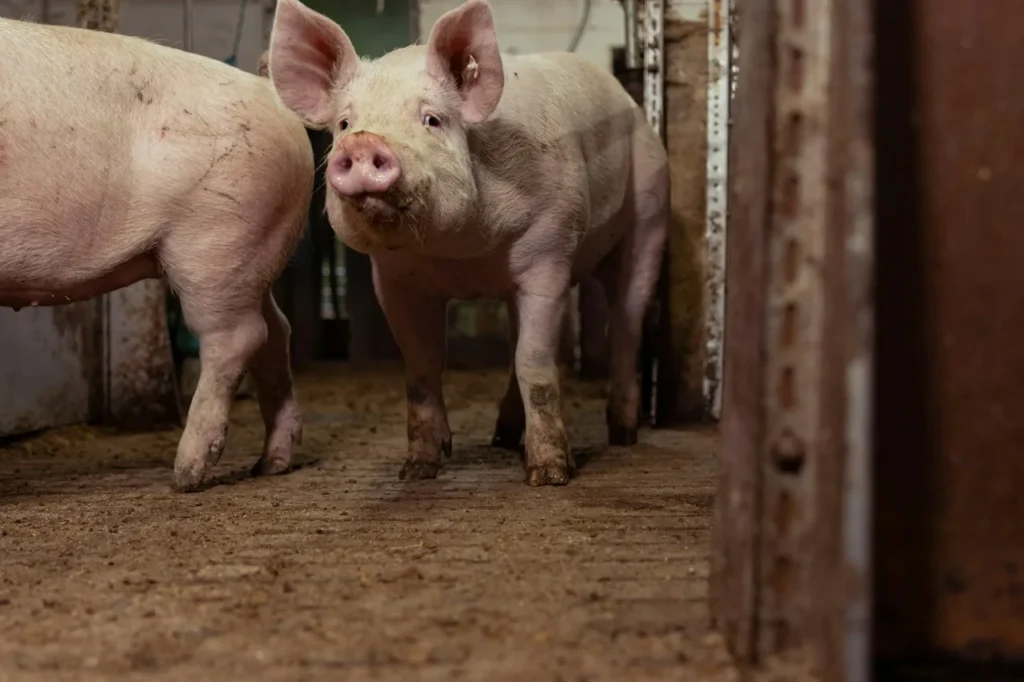
Subclinical disease, parasites, or poor air quality force pigs to redirect nutrients toward immune function instead of growth. A solid health program, good biosecurity, and comfortable housing conditions pay direct dividends in better feed conversion. Pigs that feel good convert feed more efficiently. Maintaining a clean, dry, well-ventilated environment is one of the most reliable ways to support efficient growth. Even mild, ongoing health challenges can quietly add tenths of a pound of feed per pound of gain across the group. Prevention is almost always more cost-effective than treatment when the goal is efficient growth.
Water Availability and Quality
Water is often overlooked, yet it has a direct effect on feed intake. Pigs that do not drink enough water simply eat less and grow more slowly. Check flow rates regularly and keep waterers clean so pigs always have easy access to fresh water. Restricted water intake is a common and under-recognized cause of poorer feed conversion. Ensuring adequate water flow and cleanliness is one of the simplest ways to protect feed efficiency. In group housing, make sure dominant pigs are not preventing others from accessing water.
Environmental Comfort Matters
Pigs housed outside their thermal comfort zone use extra energy to stay warm or cool themselves. That energy comes from the feed and reduces the amount available for growth. Proper ventilation, dry resting areas, and adequate space help pigs direct nutrients toward gain rather than maintenance. Cold, drafty, or overly hot conditions quietly increase the amount of feed required per pound of gain. Managing the environment is just as important as managing the feed itself when the goal is better conversion. Small improvements in comfort often show up in the feed conversion numbers.
Track Real Performance on Your Farm
Weigh a representative sample of pigs periodically and calculate actual feed conversion using the feed you have delivered. Numbers on a feed tag are useful, but real results on your farm are what matter. Tracking performance helps you identify what is working and where improvements are still possible. Without measurement, it is difficult to know whether changes in diet or management are actually moving the needle. Consistent record-keeping turns feed conversion from a vague goal into a manageable number that you can improve over time.
Small Improvements Add Up Over Time
Moving average feed conversion from 3.0 down to 2.8, for example, means noticeably less feed is required to reach market weight. Across hundreds or thousands of pigs, those savings become substantial over the course of a year. Improving pig feed conversion is not about one dramatic change. It is the result of consistent attention to phase feeding, amino acid balance, feed quality, health, water, and environment. When these factors work together, pigs grow more efficiently and cost of gain declines. The producers who treat feed conversion as an ongoing management focus rather than a one-time project tend to see the best long-term results.
At Reiterman Feed & Supply we carry quality swine feeds designed for efficient growth, including options from Purina and Kalmbach. Whether you need starter, grower, or finisher feeds, or advice on matching diets to your pigs’ needs, we are here to help you get more growth from every pound of feed.
Related reading: Why Farmers Choose Purina Feeds at Reiterman Feed & Supply