Summer heat can be tough on horses. When temperatures climb and humidity rises, horses work harder to stay cool. Without proper management, heat stress can reduce performance, lower appetite, cause electrolyte imbalances, and in severe cases become life-threatening. The good news is that most heat-related problems are preventable with smart daily care. Here’s what every horse owner needs to know to keep their animals safe and comfortable during hot weather.
Understanding How Horses Handle Heat
Horses cool themselves primarily through sweating. Unlike people, they produce large amounts of sweat that contains high levels of electrolytes such as sodium, potassium, chloride, and magnesium. When humidity is high, that sweat does not evaporate efficiently, making it much harder for the horse to lower its body temperature.
A horse’s normal resting body temperature ranges from about 99.5 to 101.5 degrees Fahrenheit. Once the combination of air temperature and relative humidity climbs, the risk of heat stress rises quickly. Many experienced owners use a simple guideline: add the temperature in degrees Fahrenheit to the humidity percentage. Results under 130 are generally comfortable, 130–150 call for caution, over 150 signals high risk, and readings above 180 indicate dangerous conditions. Even healthy, fit horses can struggle when the heat index climbs, especially if they are overweight, older, dark-coated, heavily muscled, or not fully acclimated to summer weather.
Acclimation also plays an important role. Horses that have had several weeks of gradual exposure to warmer temperatures usually handle heat better than those suddenly moved from cooler climates or stalled horses that have limited outdoor time. Fitness level matters as well, a well-conditioned horse typically recovers more quickly from heat stress than one that is out of shape.
Common Signs of Heat Stress
Early detection makes a big difference. Watch for these warning signs:
- Heavy or continuous sweating, or a surprisingly dry coat (a condition called anhidrosis)
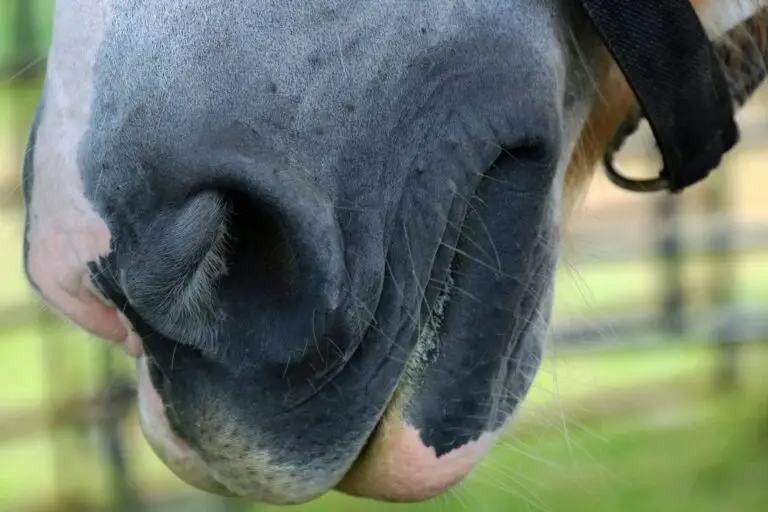
- Rapid, shallow breathing or flared nostrils
- Elevated heart rate that stays high even after rest
- Lethargy, dull expression, or reluctance to move
- Dark or reduced urine output
- Noticeable drop in appetite or water intake
- Muscle tremors, stiffness, or weakness
- In more serious cases: stumbling, uncoordinated movement, or collapse
If you observe several of these signs together, act immediately. Move the horse into shade, offer cool water, and begin active cooling while monitoring closely. Taking a rectal temperature can be very helpful if you are comfortable doing so. A temperature above 103°F that does not begin to drop with cooling measures is a clear signal to contact your veterinarian.
Core Prevention Strategies
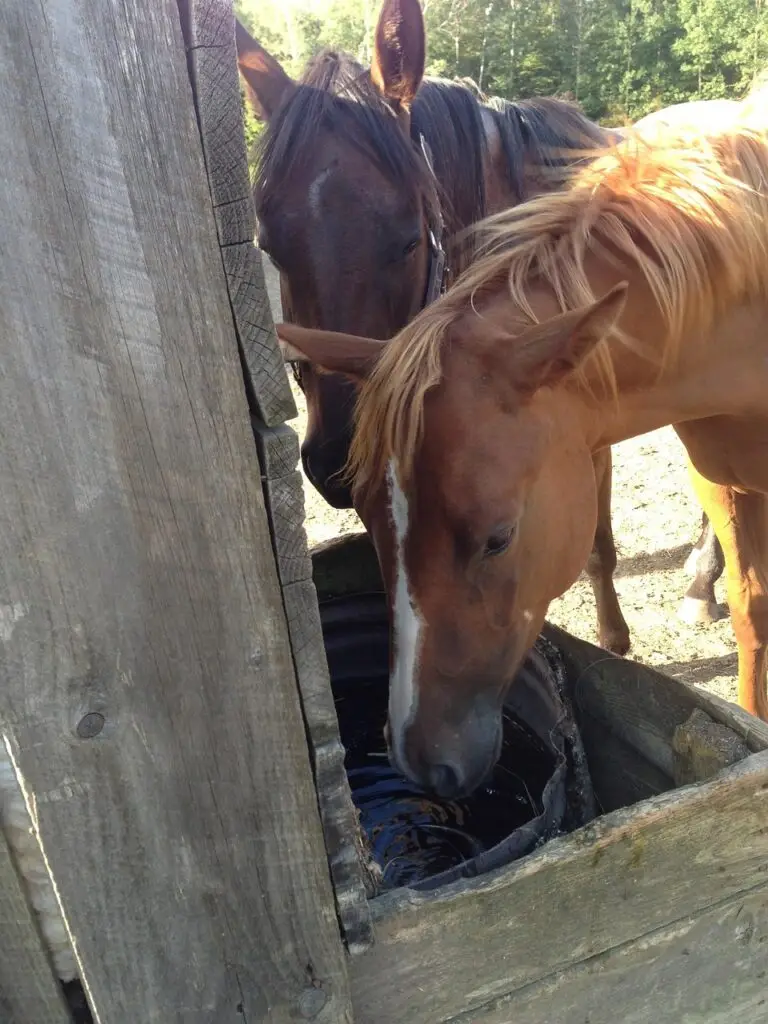
Unlimited access to clean, cool water is the single most important factor. Horses may drink 10 to 20 gallons or more per day when temperatures are high. Provide multiple water sources whenever possible and check them several times a day. Keep the water cool by adding ice or frozen bottles on the hottest days. Clean troughs and buckets regularly so algae or debris does not discourage drinking. Some horses prefer slightly warmer water, so offering both options can encourage higher intake.
Shade and airflow come next. Trees offer excellent natural shade, but make sure there is enough space for every horse to stand without crowding. Run-in sheds and field shelters help, provided they allow good air movement. In barns, open doors and windows and use fans to keep air circulating across the horses. Avoid closed-up stalls during peak heat. Positioning fans so they create a steady breeze over the horse’s body is more effective than simply moving hot air around the barn aisle.
Adjust the daily schedule. Ride, train, or do heavy work early in the morning or later in the evening when temperatures are lower. Reduce both intensity and duration during heat waves. After any exercise, cool the horse thoroughly. Apply cool water over the large muscle groups and major blood vessels along the neck, chest, and legs, then scrape the excess water so it does not trap heat against the skin. Walking the horse in shade while cooling helps circulation and allows you to monitor recovery.
Support electrolyte balance. Horses lose significant amounts of salt and other minerals through sweat. Free-choice loose salt or a quality electrolyte supplement added to feed or water helps replace what is lost. Always offer plain, fresh water alongside any electrolyte solution so the horse can choose. Consistent salt access year-round makes summer supplementation more effective. Some owners find that offering electrolytes only on the hottest days or after hard work works best for their individual horses.
Focus on smart nutrition. Hot weather often reduces appetite. Offer high-quality forage as the foundation of the diet and choose a balanced concentrate that meets energy and nutrient needs without unnecessary bulk. Feeds formulated for performance and recovery can be especially useful during periods of heat stress. Avoid sudden diet changes in extreme weather. Free-choice salt should always be available. Soaking hay or offering wet feeds can also help increase water intake for horses that are reluctant drinkers.
Maintain healthy body condition. Overweight horses have more difficulty regulating temperature. Keep horses at an appropriate weight through balanced feeding and regular exercise so they can handle heat more efficiently. Conversely, underweight or thin horses may also struggle because they lack the reserves needed to cope with stress.
Watch for anhidrosis. Some horses stop sweating normally. These animals need extra shade, restricted exercise, and close observation because they cannot cool themselves effectively. If you suspect anhidrosis, consult your veterinarian for management strategies tailored to that horse.
What to Do in an Emergency
- Move the animal immediately into a shaded, well-ventilated area.
- Offer cool (not ice-cold) water in small, frequent amounts.
- Apply cool water over the body, concentrating on the neck, chest, and large muscle groups. Reapply and scrape continuously.
- Use fans if available to increase air movement.
- Monitor rectal temperature if possible and track improvement.
- Contact your veterinarian promptly if the horse does not respond quickly or if body temperature remains elevated.
Long-Term Benefits of Good Summer Management
Horses that stay comfortable through the heat maintain better appetite, hydration status, and performance. They recover more readily from work and are less likely to develop secondary issues such as colic or muscle problems linked to dehydration and electrolyte loss. Consistent daily habits; checking water, providing shade, adjusting schedules, and supporting with the right nutrition and electrolytes, make a noticeable difference in overall health and well-being.
Horses that are managed well during hot weather also tend to maintain better body condition and attitude throughout the summer months. This can translate into more consistent training progress and fewer interruptions caused by heat-related setbacks.
At Reiterman Feed & Supply we carry quality equine feeds from Tribute Equine Nutrition, Purina and other trusted brands, along with electrolytes, salt, and the practical supplies you need to support your horses through summer heat. Whether you prefer Grab & Go bags or convenient delivery to your barn, we are here to help you keep your horses cool, hydrated, and performing their best.
A little extra attention during the hot months pays off in healthier, happier animals throughout the year. Stop by or give us a call, we are always glad to help you choose the right products for your horses’ needs.