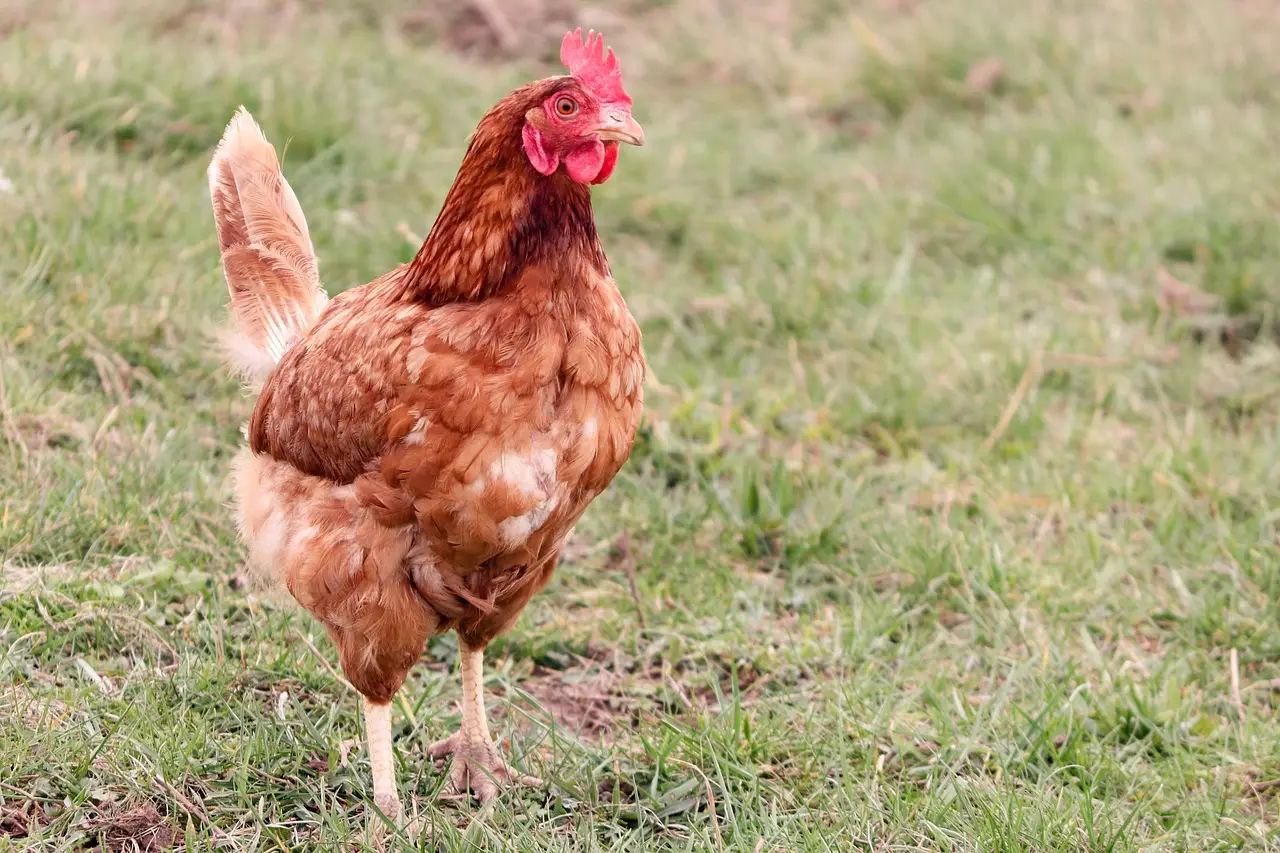
Summer brings longer days, backyard barbecues, and, unfortunately, challenges for your flock. Chickens don’t sweat like we do, so when temperatures climb, they can quickly struggle to stay cool. Heat stress is one of the most common issues backyard poultry keepers face in warmer months. It leads to reduced egg production, thinner shells, lower feed intake, and in severe cases, serious health problems or even loss. The good news? With the right management, nutrition, and a few simple adjustments, you can help your birds stay comfortable, productive, and resilient all summer long. Here’s everything you need to know to protect your flock.
Understanding Chicken Body Temperature and Heat Regulation
A healthy adult chicken runs hot, around 105–106°F internally. This is normal, but it means they have less margin for error when outside temperatures rise. Unlike mammals, chickens lack sweat glands. They rely on several clever mechanisms to regulate temperature:
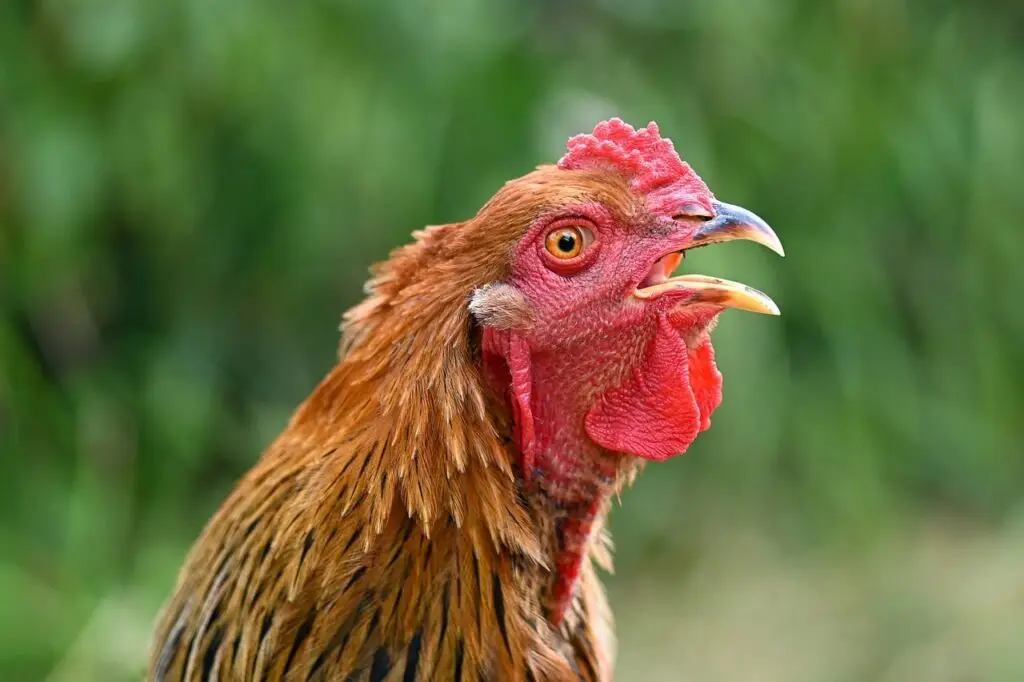
- Panting (gular flutter): Rapid breathing evaporates moisture from the respiratory tract, cooling the bird from the inside.
- Feather positioning: In heat, feathers lie sleek against the body to release trapped warmth. Birds may also hold their wings away from their sides to increase airflow.
- Vascular cooling: Blood flows to unfeathered areas like combs, wattles, and legs. A breeze or cooler air helps dissipate heat through these surfaces.
- Behavioral changes: Chickens seek shade, reduce activity, and drink far more water.
These methods work well up to a point. The ideal thermal neutral zone for laying hens is roughly 65–75°F. Above 75–80°F, birds start working harder to cool themselves. At 85°F and higher, especially with humidity, heat stress becomes a real risk. High humidity is particularly tough because it slows evaporative cooling from panting.When birds pant excessively, they lose significant moisture and can develop respiratory alkalosis (a shift in blood pH from blowing off too much CO2). This binds up calcium and contributes to other imbalances. Feed intake often drops because digestion itself generates body heat, creating a cascade of challenges for egg production.
Signs of Heat Stress to Watch For
- Heavy panting with open beaks
- Wings held away from the body
- Lethargy or reduced activity
- Pale or discolored combs and wattles
- Increased water consumption paired with decreased feed intake
- Loose, watery droppings
- Fewer eggs or eggs with thin, soft, or rough shells In severe cases: staggering, collapse, or unconsciousness
How Heat Stress Affects Egg Production
Reproduction is one of the first systems to slow under stress, and egg laying is essentially reproduction. Once ambient temperatures consistently hit 85°F, many flocks see a 15–40% drop in production. In extreme or prolonged heat with high humidity, laying can stop almost entirely. Several factors contribute:
- Reduced feed intake: Hens eat less to avoid generating digestive heat. This means fewer calories, protein, calcium, and other nutrients needed for egg formation.
- Calcium disruption: Panting causes CO2 loss and a pH shift that reduces available calcium for shells, even if the diet is adequate. Result: thin, weak, or misshapen eggs.
- Dehydration: Eggs are roughly 70% water. Birds that lose moisture through panting need significantly more water just to maintain production.
- Hormonal and physiological stress: Heat affects hormone balance and overall energy allocation away from laying.
The effects aren’t always immediate. A short water deprivation during a heat wave can delay full recovery by weeks, with the lowest production sometimes appearing later. Consistent management pays off.
Prevention: Practical Steps to Keep Your Flock Cool
Cool, Fresh Water, Your #1 Tool
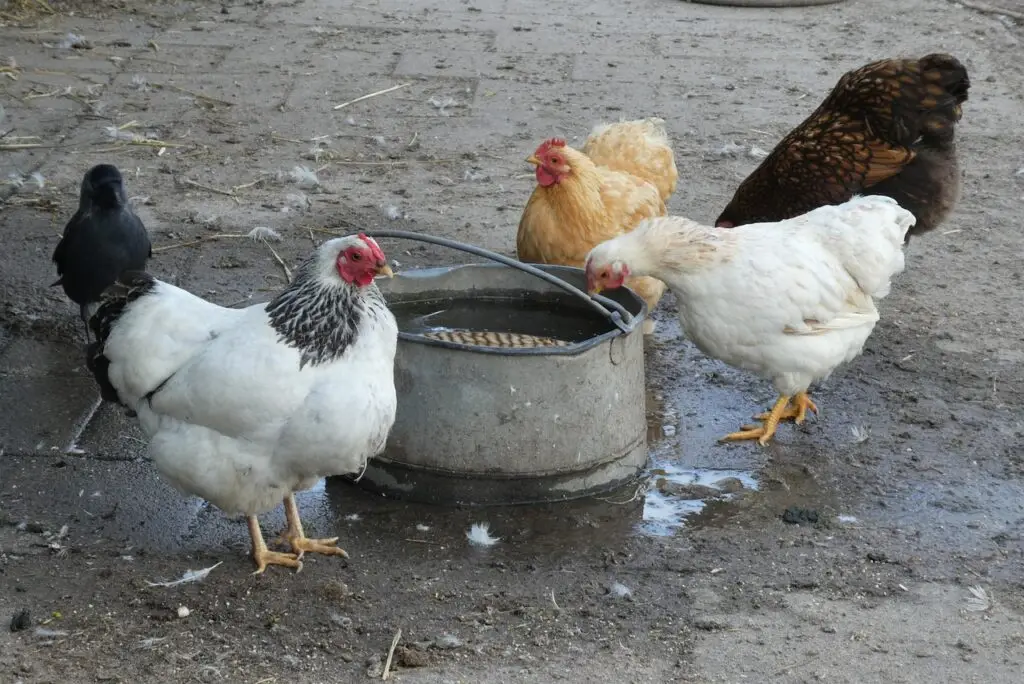
In hot weather, hens may drink 2–4 times more than usual. Provide multiple water stations in shaded spots so birds don’t have to travel far in the sun. Refresh water daily (or more) and keep it cool. Add frozen water bottles or ice blocks to drinkers on the hottest days. Avoid letting hoses or buckets sit in direct sun, as warm water above ~105°F becomes unappealing.
Shade and Shelter
Ensure plenty of shaded areas in runs and pastures. Trees, tarps, shade cloth, or even simple awnings work well. Well-ventilated coops or shelters give birds a place to escape midday sun.
Airflow and Ventilation
Good cross-breezes make a huge difference. Position coops and runs to catch prevailing winds. Add windows, vents at bird level, or barn-safe fans if you have power. Avoid overcrowding, give birds room to spread out and release heat.
Other Cooling Ideas
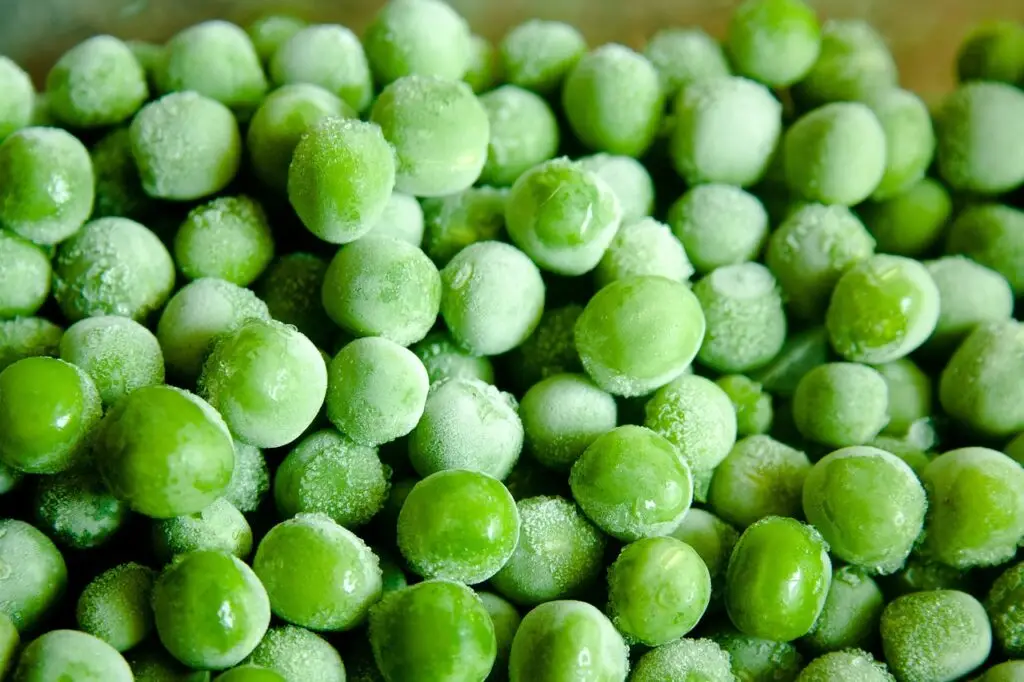
- Frozen treats (in moderation): Melon, berries, or peas frozen in water can provide enrichment and hydration.
- Misters or sprinklers (use cautiously in humid areas to avoid adding moisture).
- Dust baths in shady spots.
Monitor your coop and run temperatures. Anything consistently above 85–90°F needs active intervention.
Nutrition Strategies for Heat-Stressed Flocks
When birds eat less, every bite counts. Choose high-quality, balanced feeds formulated for layers.
- Layer feeds: Stick with nutritionally complete options like Purina or Kalmbach layer pellets or crumbles. These provide consistent nutrition even when intake drops. Avoid filling birds up on low-nutrient treats or scratch during heat waves.
- Electrolytes and supplements: Panting depletes key minerals (sodium, potassium, etc.). Offer a poultry electrolyte solution in water during periods of high heat or stress. This supports hydration, helps maintain blood chemistry, and can encourage drinking. Provide plain water alongside any supplemented water so birds can choose.
- Calcium support: Free-choice oyster shell or calcium supplements help, especially when shells soften.
- Feeding timing: Offer feed during cooler parts of the day (early morning and evening) when birds are more likely to eat. Smaller, more frequent offerings can help.
- Vitamins and antioxidants: Heat increases oxidative stress. Feeds with added vitamins (especially E, C) or targeted supplements can provide extra support.
Always transition feeds gradually and monitor consumption. A quality complete feed remains the foundation; treats should stay under 10–15% of the diet.
What to Do in an Emergency
If a bird shows severe signs (limp, unconscious, extreme panting):
- Move her to a cool, shaded, well-ventilated area immediately.
- Offer cool (not ice-cold) water.
- Gently mist or submerge her body (up to the neck, keeping the head free) in cool water to lower core temperature.
- Monitor closely and contact a vet if she doesn’t improve.
Prevention is far better than treatment, so set up your summer routine before the next heat wave hits.
Long-Term Benefits of Good Heat Management
Flocks that stay comfortable throughout summer maintain better overall health, stronger immunity, consistent egg production, and higher egg quality. Birds recover faster from other stresses, too. Small investments in shade structures, extra waterers, quality feed, and electrolytes pay dividends in productivity and bird welfare. Keeping chickens is rewarding year-round, but summer requires a bit more attention to detail. By understanding how your flock regulates temperature, watching for early signs, and providing the right environment and nutrition, you’ll help them thrive even when the days get hot. Stop by Reiterman Feed & Supply for premium layer feeds from Purina and Kalmbach, electrolytes, oyster shell, waterers, and expert advice tailored to your setup. We offer Grab & Go options and delivery to make summer care easier. Your flock deserves the best support, give us a call or visit to stock up today