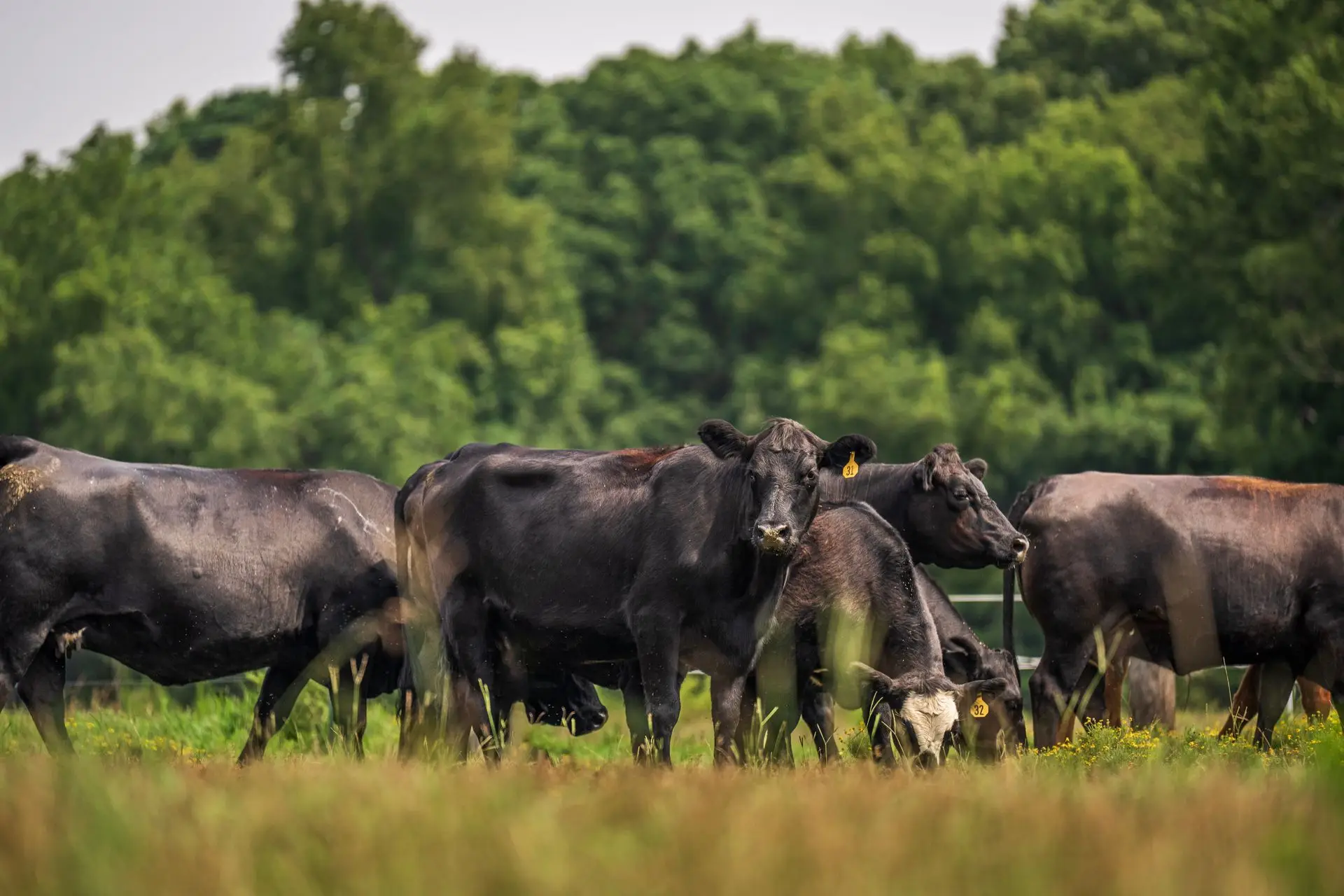
Grazing beef cattle on pasture is the most natural and economical way to raise cattle in Ohio and throughout the Midwest. However, while forages provide excellent energy and protein, they frequently fall short in essential minerals. Soil types across central and southern Ohio vary significantly, and forage quality changes dramatically throughout the growing season. This makes a well-designed mineral supplementation program one of the highest-return investments a beef producer can make.At Reiterman Feed & Supply in Mt. Sterling, Ohio, we work closely with local cattle producers every day to build effective mineral programs. One of the most popular and reliable options we carry is Purina Wind & Rain Mineral, a line specifically engineered for consistent intake.
Why Mineral Management Matters for Grazing Cattle
- Phosphorus — plays a major role in growth, bone development, energy metabolism, and reproduction.
- Magnesium — especially important during lush spring growth to prevent grass tetany, a potentially fatal neurological condition.
- Copper and Zinc — critical for immune system function, hoof health, hair coat quality, and fertility.
- Selenium and Vitamin E — often low in Midwest soils and important for muscle development, immune response, and antioxidant protection.
- Calcium — essential for bone strength, milk production in cows, and overall structural health.
- Lower weaning weights and slower average daily gains
- Reduced conception rates and extended calving intervals
- Higher rates of disease and veterinary expenses
- Weaker immune systems leading to more sickness in calves
- Poor hair coats, hoof problems, and reduced feed efficiency
Understanding Free-Choice Minerals
The most practical and widely used method for supplementing minerals in grazing cattle is the free-choice system. This allows animals to consume minerals as needed while they roam across large pastures. Target intake for most free-choice beef minerals is 3 to 4 ounces per head per day. Reaching and maintaining this level consistently requires attention to product quality, feeder placement, regular monitoring, and choosing a palatable, weather-resistant mineral.

Best Practices for Successful Mineral Management
Successful Ohio cattle producers follow these proven strategies to maximize mineral intake and effectiveness:
- Feeder Numbers and Strategic Placement
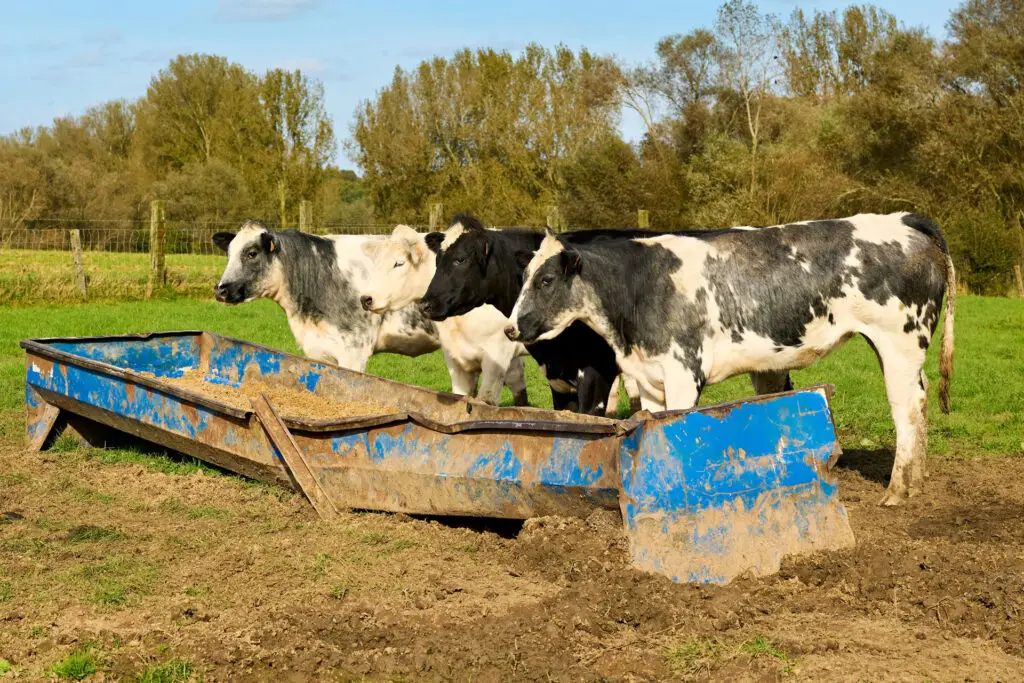
Plan for at least one mineral feeder for every 25 to 40 head of cattle. Position some feeders near water sources and shade where cattle naturally congregate, but place additional feeders farther out in the pasture to encourage more uniform grazing and better land utilization. - Feeder Design and Weather Protection
Invest in sturdy, covered mineral feeders. Ground-level or low-platform designs reduce waste and make it easier for all animals, including younger calves, to access the mineral. - Regular Maintenance Routine
Check feeders at least once per week. Remove old or caked material, clean the feeder thoroughly, and refill with fresh mineral to keep it palatable and appealing to the cattle. - Monitoring Consumption
Weigh the amount of mineral used each week. This simple step helps you verify that your cattle are consuming the target amount and allows you to make timely adjustments if intake is too low or too high.
Purina Wind & Rain Minerals at Reiterman Feed
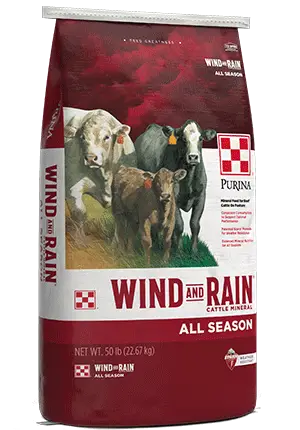
- Excellent water shedding and resistance to clumping even after heavy rain
- Reduced wind loss and waste compared to standard minerals
- Maintained palatability that encourages consistent daily intake
- Fortified with highly bioavailable hydroxy trace minerals for better absorption by the animal
- Multiple formulas available to match specific herd needs:
- All Season Beef Mineral
- Hi-Mag Mineral (12% magnesium)
- ProCycle for your breeding programs
- Altosid® for horn fly control
Seasonal Mineral Strategies for Ohio Producers
Spring
Lush, rapidly growing cool-season grasses can be dangerously low in magnesium. Begin feeding a Hi-Mag Beef Mineral several weeks before green-up and continue through the high-risk period to help prevent grass tetany.
Summer
Forage quality typically declines as temperatures rise and plants mature. Heat stress and fly populations increase, making consistent mineral access and fly-control minerals (with Altosid®) especially valuable.
Fall
This season brings weaning stress for calves and rebreeding for cows. Strong trace mineral levels support immune function, help with recovery from summer stress, and prepare the herd for winter.
Winter
Cattle on dormant pasture or stored hay need higher levels of Vitamins A, D, and E. Continue offering minerals even during colder months when intake can sometimes drop due to reduced water consumption or weather conditions.
Practical Tips for Better Mineral Intake
- Avoid the common habit of adding extra salt unless intake is consistently too low, modern complete minerals like Kalmbach’s are formulated to stand alone.
- Have your forages and water tested through the OSU Extension office to better understand your specific deficiencies and tailor your program.
- When changing mineral products, blend the old and new for 7–10 days to ease the transition and prevent temporary drops in intake.
- Use mineral tubs or blocks during periods of high stress, rotational grazing moves, or when introducing new cattle into the herd.
- Calculate expected usage based on herd size, for example, a 100-head herd consuming 4 oz per head daily will need roughly 25 pounds of mineral per day.
Equipment and Feeder Recommendations
- High-quality covered mineral feeders that protect against rain and wind
- Portable feeders ideal for rotational grazing systems
- Low or ground-level platforms to minimize waste
- Multiple feeder locations, especially in larger pastures
- Weather-resistant mineral tubs for convenient, controlled intake during high-risk periods
Common Mistakes to Avoid
Many producers unintentionally limit the effectiveness of their mineral program by making these common errors:
- Placing all mineral feeders only near water sources
- Allowing mineral to become wet, hard, or unpalatable
- Checking and refilling feeders too infrequently
- Choosing generic “all-stock” minerals instead of cattle-specific formulas
- Failing to track actual consumption on a regular basis
Why Choose Reiterman Feed & Supply?
Reiterman Feed & Supply has been a trusted partner for local beef producers in Madison County and surrounding areas for years. We proudly carry a full selection of Purina Wind & Rain Minerals along with other quality nutrition products.Our experienced team offers:
- Personalized recommendations based on your herd type, forage situation, and production goals
- Bulk ordering with convenient delivery options across central Ohio
- Guidance on forage testing and result interpretation
- Competitive pricing and reliable local service
Conclusion
While mineral supplementation might seem like a minor detail in the big picture of cattle management, it consistently ranks among the most cost-effective ways to improve herd health, reproduction, and overall profitability. By providing your grazing cattle with consistent access to a high-quality, weather-resistant mineral like Purina Wind & Rain Minerals, you give them the nutritional foundation they need to perform at their best on Ohio pastures.Stop by Reiterman Feed & Supply in Mt. Sterling or call us at 740-869-3817