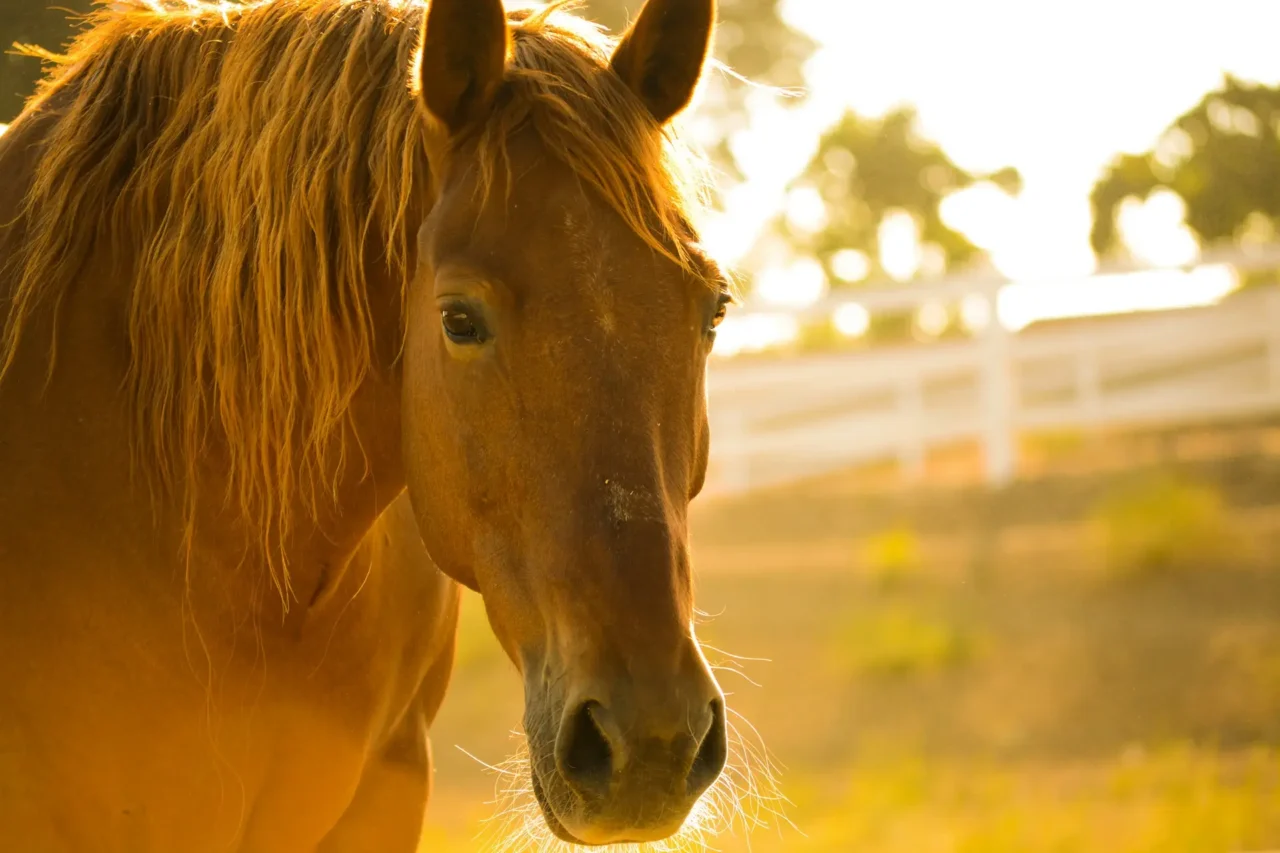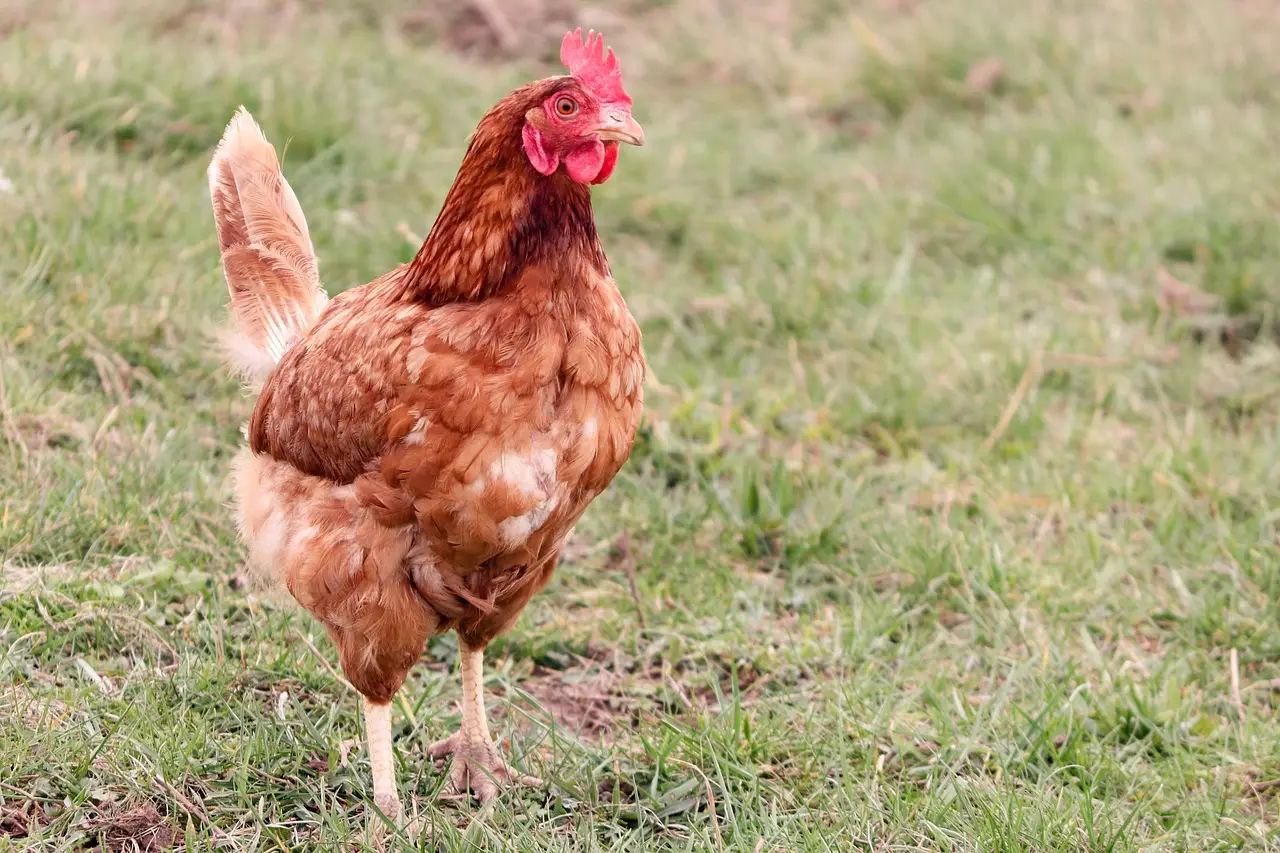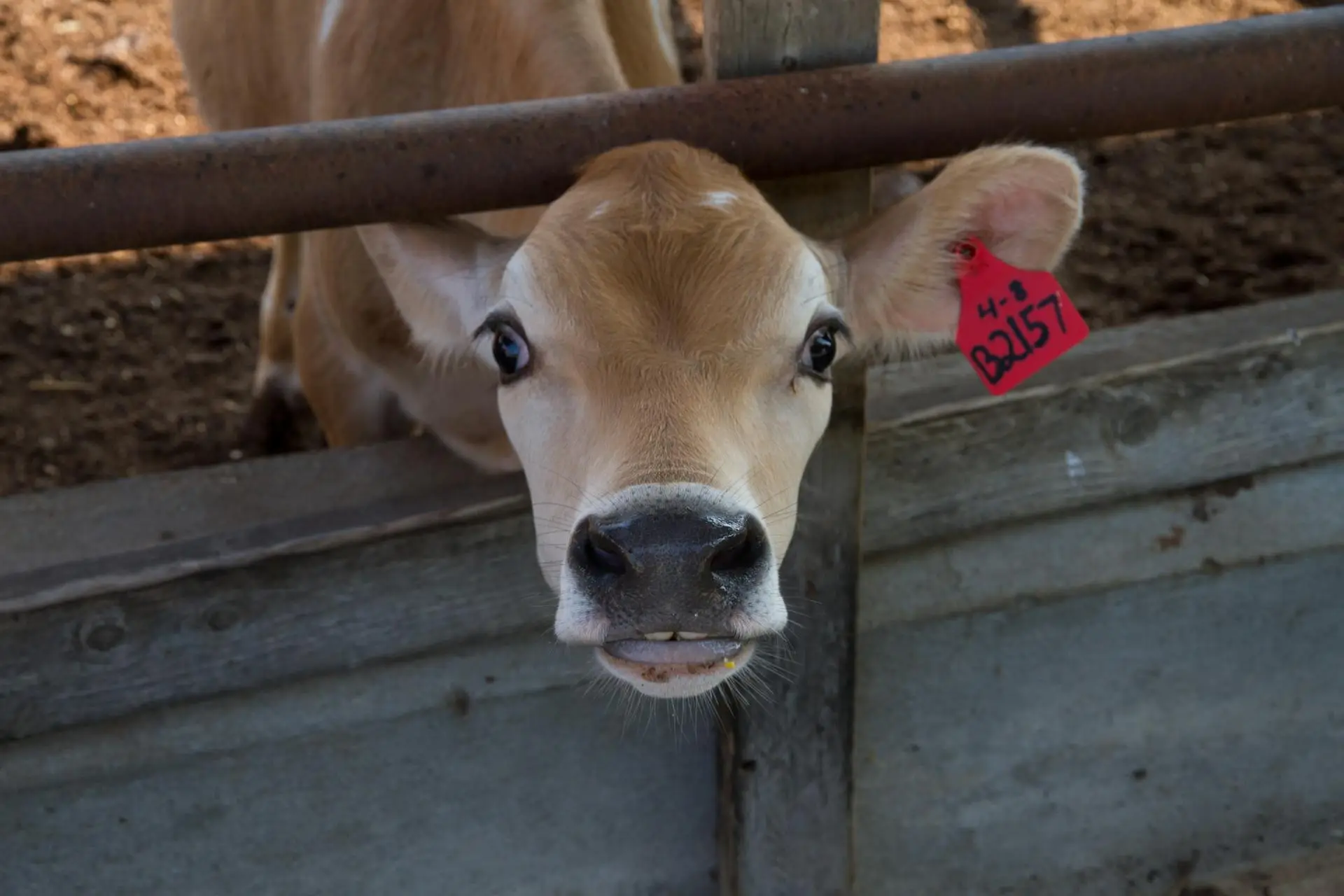
Preparing for your 4-H animal project is an exciting phase that sets the foundation for success at the fair and beyond. Once you’ve selected your animal, the real work begins: from setting up housing to establishing a feeding routine and training regimen. This preparation not only ensures your animal thrives but also teaches valuable lessons in responsibility and animal care. In this detailed guide, we’ll explore comprehensive tips to get you ready, covering everything from initial setup to show day strategies.
At Reiterman Feed & Supply in Mt. Sterling, Ohio, we’ve supported numerous 4-H families with quality supplies and advice. Whether your project involves livestock or small animals, proper preparation is key to a rewarding experience.
Setting Up the Ideal Habitat
A comfortable and safe environment is the first step in preparation.
For larger animals like cattle or swine, build or reinforce sturdy pens with good ventilation and drainage. Use materials like wood or metal fencing to prevent escapes. Bedding such as straw or shavings keeps them clean and comfortable.
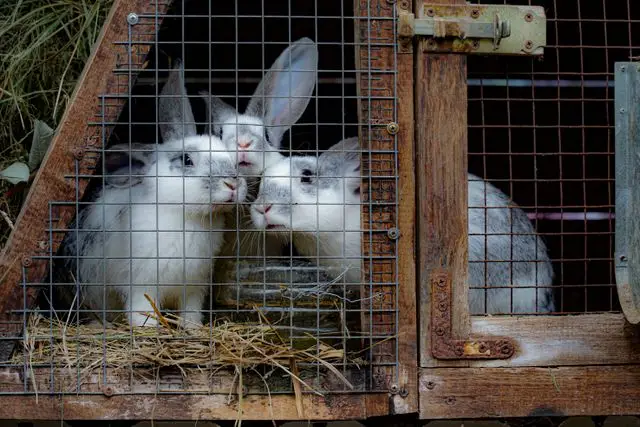
Smaller animals like rabbits need hutches elevated off the ground to protect from predators, with wire floors for easy cleaning. Poultry coops should have nesting boxes and perches.
Ensure access to clean water at all times, automatic waterers can save time. Position habitats away from extreme weather, and include shade or heaters as needed.
Nutrition and Feeding Plans
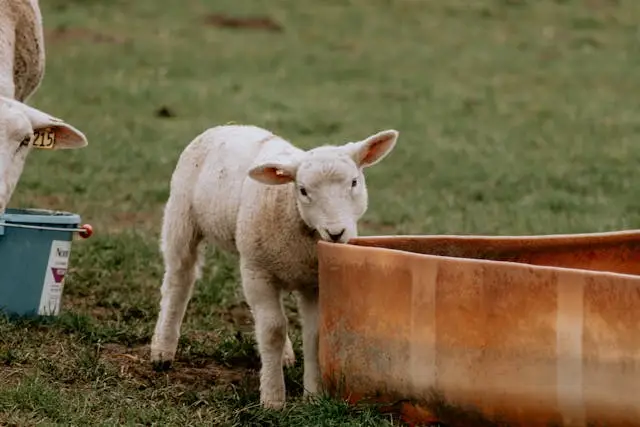
Proper nutrition is vital for growth and health.
Research your animal’s dietary needs: growing lambs need high-protein feeds, while mature goats require balanced minerals. Use age-appropriate feeds; for example, starter feeds for young chicks.
Establish a feeding schedule, twice daily for most animals. Monitor weight gain to adjust portions. Supplements like vitamins can address deficiencies.
Source quality feeds; avoid cheap options that lack nutrients. Incorporate forage like hay for ruminants.
Health and Veterinary Care
Preventive health measures keep your animal in top condition.
Schedule initial vet exams for vaccinations and parasite control. Common issues include worms in sheep or respiratory problems in poultry.
Maintain a health log: record weights, treatments, and observations. Quarantine new animals to prevent disease spread.
Grooming routines vary: brush coats for shine, trim hooves for goats, and bathe as needed without overdoing it.
Training and Handling Techniques
Consistent training builds confidence for both you and the animal.
Start with basic handling: lead training for halter animals using positive reinforcement like treats.
For shows, practice posing and walking in a ring. Join 4-H clinics for tips on judging criteria.
Socialize your animal to noises and crowds to reduce stress at fairs.
Equipment and Supply Checklist
Gather essentials early:
- Feeders and waterers
- Grooming tools (brushes, clippers)
- Skin & Hair Coat (coat conditioners, shampoos)
- Show supplies (halters, blankets)
Budget for these; quality items last longer.
Time Management and Scheduling
Balance preparation with life. Create a daily chore list: morning feeding, evening checks.
Set milestones: by month two, basic training complete; by fair time, polished show skills.
Involve family for support, and track progress in a journal.
Dealing with Challenges
Common issues include behavioral problems or illnesses. Address aggression in pigs with space adjustments, or treat minor injuries promptly.
Weather impacts preparation, prepare for rain or heat with contingencies.
Show Day Preparation
As the fair approaches, ramp up grooming and practice sessions.
Pack a show kit: extra feed, cleaning supplies, and paperwork.
Mental prep: stay calm, learn from judges’ feedback.
Educational Resources and Community Support
Utilize 4-H resources: extension offices, online forums, and local clubs.
Books like “Storey’s Guide to Raising Animals” are helpful.
Connect with mentors for personalized advice.
Conclusion
Preparing for your 4-H animal is a journey of growth and learning. With the right habitat, nutrition, health care, and training, you’ll be ready for success. Reiterman Feed & Supply is here to help with all your preparation needs, visit us for top-notch supplies.