Fall is one of the most important transition seasons for horses. After a long summer of heat, insects, fluctuating pasture quality, and often reduced workload, cooler nights and declining forage require careful, proactive management. Horses that move into winter in good condition stay healthier, maintain weight more easily, and are better prepared for spring work. Ignoring this seasonal shift frequently leads to lost body condition that becomes difficult and expensive to correct once deep winter arrives.
Evaluating Body Condition Before Winter Arrives
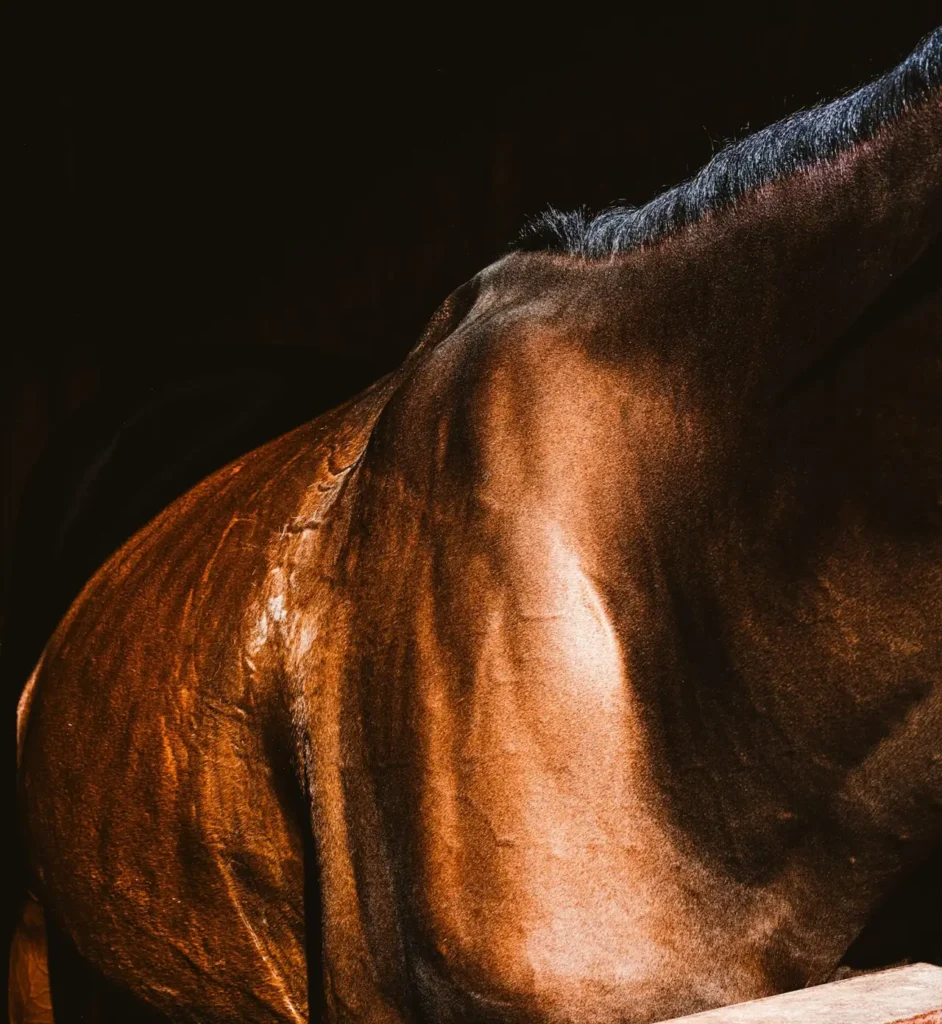
The foundation of good fall horse care begins with an honest and thorough body condition score. Run your hands firmly over the ribs, along the spine, across the hip bones, and over the shoulder area. Look carefully at the neck crest and overall muscling along the topline. On the standard 1 to 9 Henneke scale, a score of 5 to 6 is ideal heading into the colder months. Horses that finished summer on the thin side need additional calories now, while easy keepers that gained weight on summer grass may need their concentrate reduced or eliminated. Take clear notes or photos from the same angles and lighting so you can accurately track changes over the next six to eight weeks. Body condition is significantly easier to maintain than it is to regain in January and February when energy requirements are highest.
Many owners underestimate how quickly horses can lose weight once nights turn cold and pasture quality declines. Checking body condition every two weeks during fall allows you to make small adjustments before problems become serious. Pay special attention to older horses, hard keepers, and horses that have had health challenges during the summer.
Managing the Decline in Forage Quality
Pasture quality drops steadily through the fall as grasses go dormant. Even when fields still appear reasonably green, the energy and protein content is often significantly lower than spring or early summer growth. Begin increasing hay amounts as pasture productivity declines. Horses generate substantial internal body heat through the fermentation of fiber in the hindgut, which means free-choice access to good-quality hay becomes even more important as temperatures fall.
If your hay tests average or below average in protein and energy, a ration balancer is an excellent tool. It supplies essential amino acids, vitamins, and minerals without adding unnecessary calories that easy keepers do not need. Horses should ideally have access to forage as close to 24 hours a day as possible during the colder months. Long periods without forage increase the risk of gastric ulcers and make it harder for horses to maintain body temperature.
Making Intelligent Blanketing Decisions
Blanketing should always be based on the individual horse rather than the calendar or what neighboring horses are wearing. A healthy horse with a thick winter coat, access to shelter from wind and precipitation, and adequate forage often does well without a blanket. Older horses, hard keepers, horses that have been body-clipped, or those that simply do not grow a dense coat usually benefit from blanketing once nighttime temperatures consistently drop into the 40s.
Own at least two or three different blanket weights so you can adjust as the weather changes instead of over-blanketing or under-blanketing. A horse that sweats under a heavy blanket can become chilled once the temperature drops further or the wind picks up. Check under the blanket regularly for sweat or rubbing, and remove blankets on milder days so horses can fluff their natural coats.
Hoof Care Before the Ground Freezes
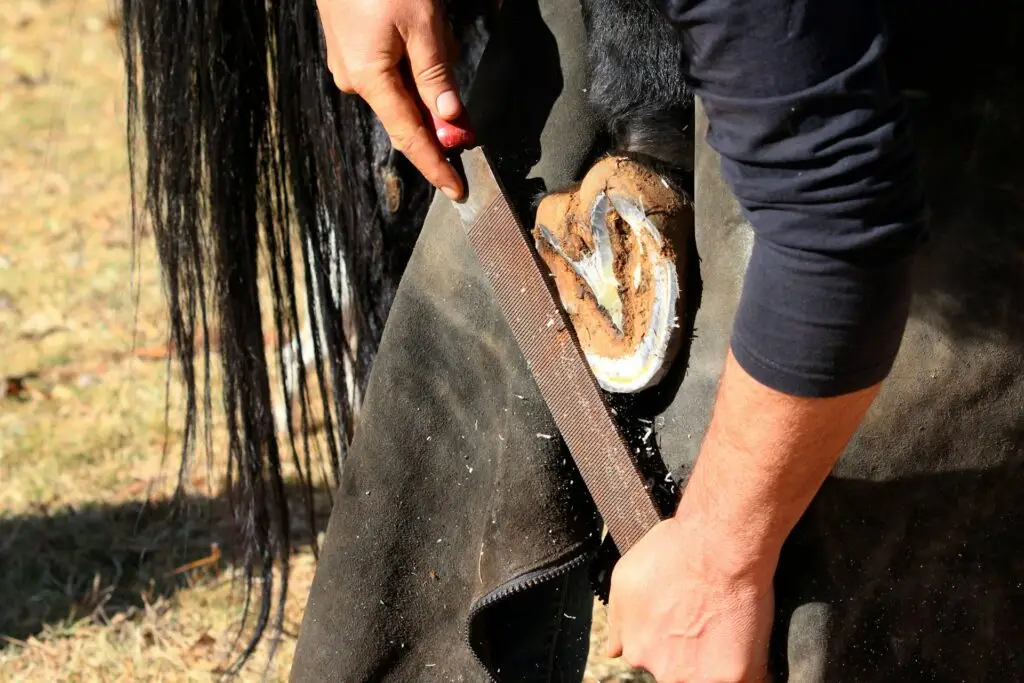
Schedule a farrier visit before the ground freezes hard. The alternating wet and dry conditions common in autumn can soften hooves and increase the risk of thrush, white line disease, or abscesses. Keeping feet trimmed and balanced now prevents larger problems when the ground becomes frozen and uneven. Clean feet regularly, especially after wet periods, and consider a thrush-prevention product if your conditions stay muddy for extended stretches. Horses with poor hoof quality may benefit from a biotin and methionine supplement started in the fall.
Dental Health and Efficient Forage Utilization
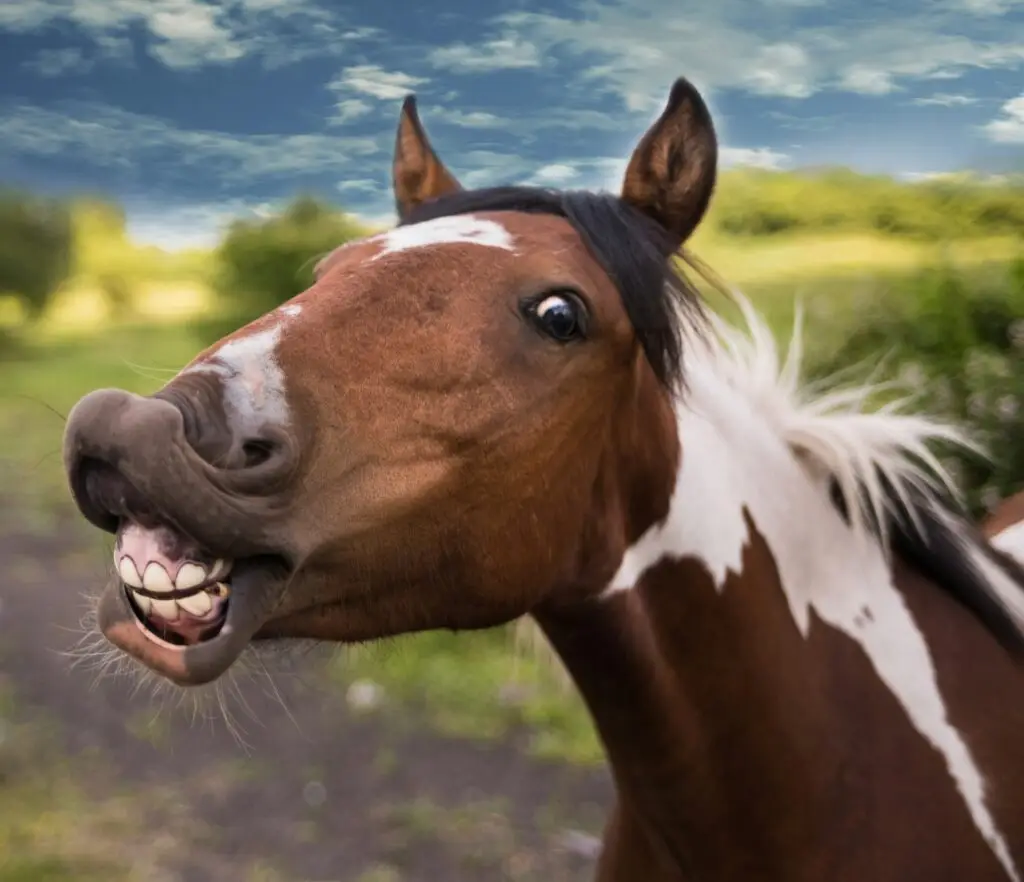
Dental care also belongs high on the fall checklist. Sharp enamel points, hooks, or waves make it harder for horses to chew long-stem hay efficiently, exactly when they need good forage digestion the most. A dental examination and float in early fall helps ensure horses can process the increased hay they will receive throughout winter. Poor dental health is a common and frequently overlooked reason older horses lose weight in cold weather. Horses that drop partially chewed hay (quidding) or show reluctance to eat hay should be examined promptly.
Adjusting Nutrition for the Changing Season
As workload often decreases in the fall, many horses need fewer calories from grain or concentrate feeds. At the same time, they still require balanced protein, vitamins, and minerals to support immune function, hoof growth, and overall health. Tribute Equine Nutrition ration balancers and complete feeds are particularly useful during this transition because they deliver targeted nutrition without excess starch or calories.
Continue offering free-choice plain white salt and ensure water remains clean and readily available. Horses prefer water that is not ice-cold. Tank heaters, insulated buckets, or heated waterers help maintain adequate water intake, which in turn supports feed intake and reduces the risk of impaction colic. Some horses drink significantly less when water temperatures drop near freezing, so monitoring water consumption is important.
Supporting Older Horses and Hard Keepers
Older horses and hard keepers frequently lose weight quietly during late fall and early winter. These horses often need more calories simply to maintain normal body temperature. Increase hay first, then add a high-fat supplement, a senior feed, or beet pulp if needed. Check body condition every two weeks so you can make adjustments before significant weight loss occurs. Easy keepers, on the other hand, may require grazing muzzles, limited turnout time, or a dry lot if fall pastures remain surprisingly productive and caloric.
Shelter, Bedding, and Environmental Management
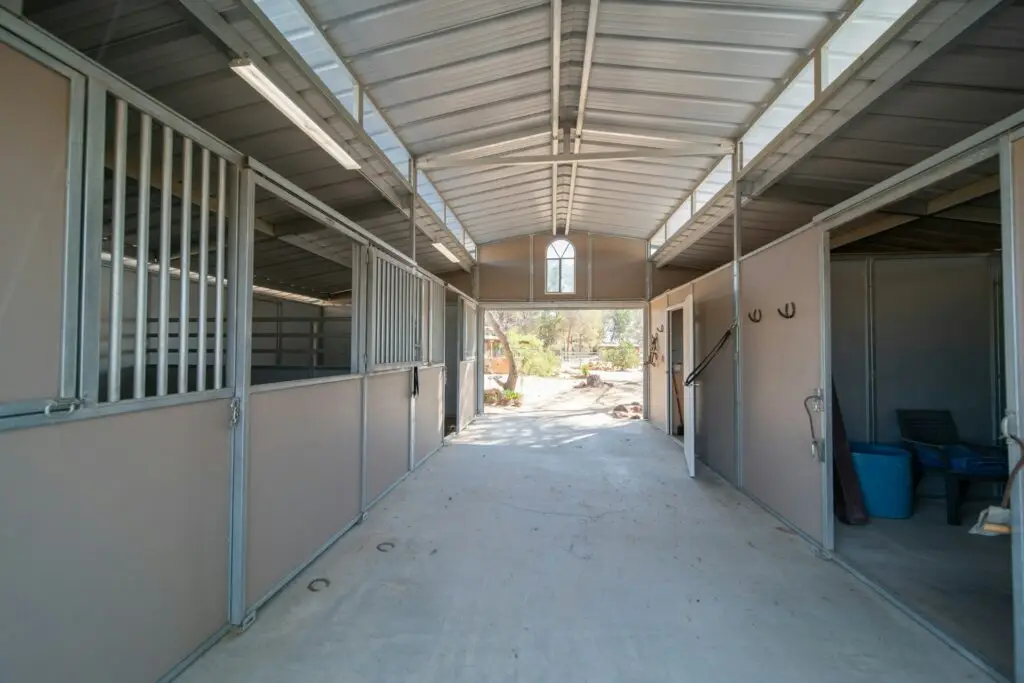
Inspect run-in sheds carefully for cleanliness, dryness, and proper orientation. The structure should block prevailing winds while still allowing good airflow to reduce respiratory issues. Deep bedding improves comfort when the ground turns cold and wet and helps horses conserve body heat. Remove manure regularly to reduce moisture, ammonia, and parasite exposure. In very exposed locations, temporary windbreaks made from hay bales or fencing can make a noticeable difference in horse comfort.
Parasite Control and Final Veterinary Preparations
Base any deworming decisions on fecal egg counts rather than a fixed calendar schedule. Fall is an ideal time to test and treat only the horses that actually need it, which helps reduce resistance and unnecessary chemical use. Take advantage of the milder fall weather to finish remaining veterinary work. Vaccinations, dental care, bloodwork, and any necessary joint or wellness treatments are easier on both horses and humans before winter weather arrives. Addressing these items now prevents the need to handle them during freezing temperatures or icy conditions.
Long-Term Benefits of Thoughtful Fall Management
Horses that enter winter at a healthy weight, with good dental and hoof care, appropriate forage, and balanced nutrition handle cold stress far more effectively. They maintain condition more easily, support stronger immune function, and are ready for increased activity when spring returns. The extra attention given in September and October prevents many of the common problems that appear in January and February and reduces the need for expensive catch-up feeding later.
At Reiterman Feed & Supply we carry Tribute Equine Nutrition & Purina products, quality ration balancers, salt, and the practical supplies that support effective fall horse care. Whether you prefer Grab & Go bags or convenient delivery to your barn, we are here to help you make the seasonal transition as smooth as possible for every horse in your care.