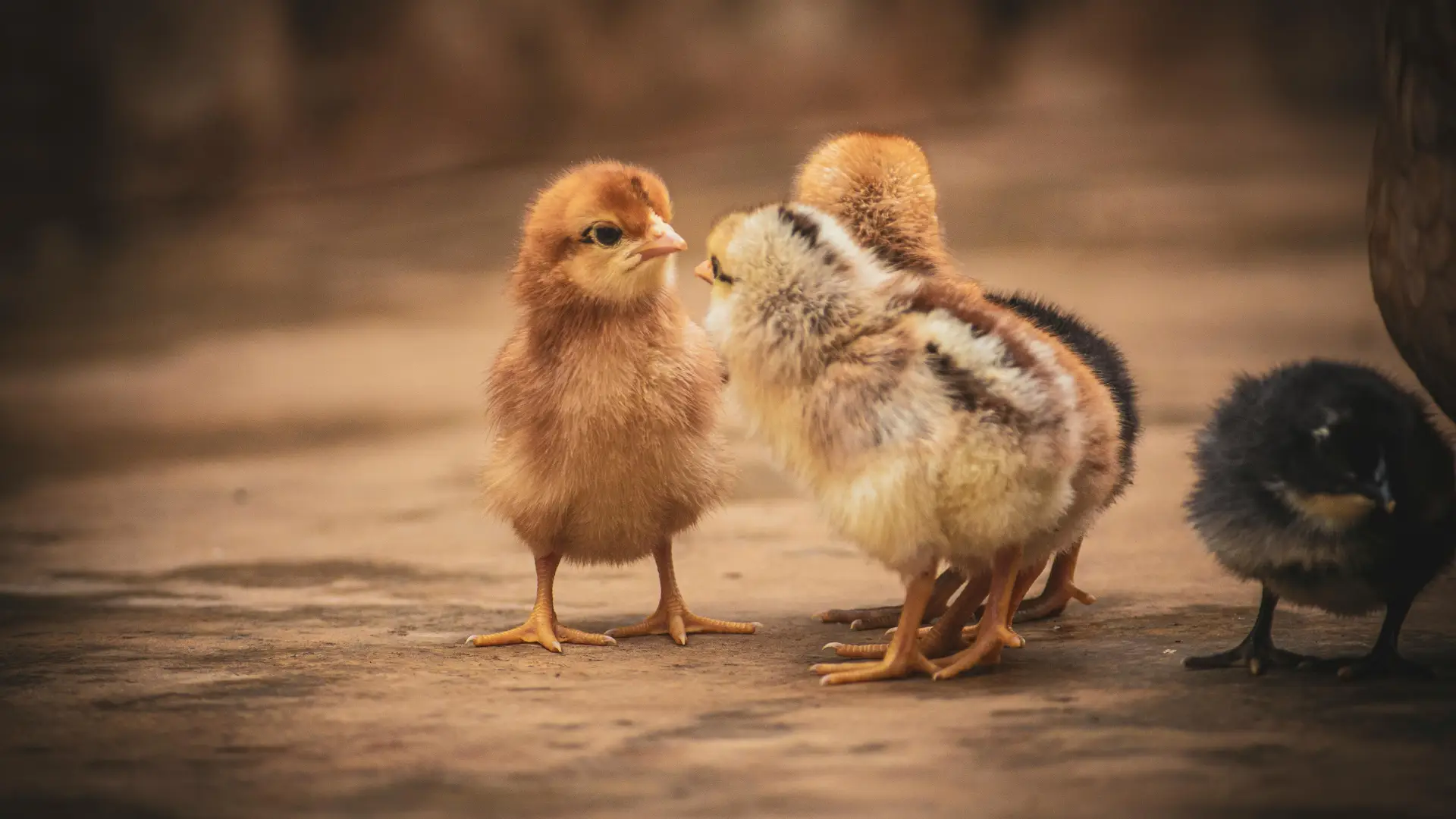
Spring brings new life to backyard flocks, and nothing is more exciting than watching tiny baby chicks and ducklings take their first steps. Whether you’re starting your very first flock or adding to an existing one, proper nutrition in the first eight weeks makes all the difference in health, growth rate, and future productivity. Feeding baby chicks and ducks correctly helps them develop strong bones, feathers, and immune systems while preventing common problems like pasting up or stunted growth.
In this complete guide, you’ll learn the exact feeding schedule, differences between chicks and ducklings, what to avoid, and simple tips that experienced flock owners swear by. Follow these steps and your new birds will thrive.
Why the Right Starter Feed Matters for Baby Chicks and Ducks
Newly hatched chicks and ducklings grow incredibly fast. In the first few weeks they double and even triple in size, so they need a diet packed with protein, vitamins, and minerals. A high-quality chick starter feed is specifically formulated for this rapid development.
Look for a complete starter feed with 18–22% protein. This level supports muscle and feather growth without overdoing it. Lower protein can slow development; higher protein (like broiler formulas) is fine for meat birds but usually unnecessary for backyard layers or dual-purpose breeds.

Medicated vs. Non-Medicated Chick Starter Feed
One of the biggest decisions is whether to choose medicated feed. Medicated starter contains a coccidiostat (amprolium) that helps prevent coccidiosis, a common intestinal parasite that thrives in warm, moist brooder environments. Many flock owners start with medicated feed for the first 2–4 weeks, especially in spring when humidity can rise quickly.
Ducklings are more sensitive to certain medications, so if you’re raising both chicks and ducklings together, opt for a non-medicated high-protein starter or feed them separately. Non-medicated is also a good choice if your birds will be on pasture early or if you prefer an organic approach.
Feeding Schedule: From Day 1 to 8 Weeks
- Offer free-choice starter feed 24/7. Chicks and ducklings have tiny crops and need to eat small amounts frequently.
- Scatter a little feed on paper towels or a shallow dish for the first 2–3 days so they learn to recognize it.
- Expect each chick to eat roughly 1–2 ounces per day (about 1 pound per chick per week). Ducklings eat slightly more because they grow faster.
- Around 6–8 weeks, switch to a grower feed (16–18% protein). This lower protein level matches their slower growth while still providing balanced nutrition. Abrupt changes can cause digestive upset, so mix the two feeds over 5–7 days.
Special Considerations for Ducklings
Ducklings need extra niacin (vitamin B3) for proper leg and bone development. Many commercial duckling or waterfowl starter feeds already include it. If using a standard chick starter, add a small amount of brewer’s yeast or niacin supplement as directed on the label. Ducklings also drink far more water than chicks, keep fresh water available at all times and expect to refill drinkers more often.
Water: The Most Important Part of Feeding Baby Chicks and Ducks
Clean water is non-negotiable. Dehydration kills faster than lack of feed.
- Use shallow chick waterers or saucers with marbles or pebbles for the first week so tiny birds don’t drown.
- Change water at least twice daily and clean drinkers with a mild vinegar solution to prevent bacteria.
- In the first 24–48 hours, some owners add a poultry electrolyte or probiotic to the water for an extra boost after shipping stress.
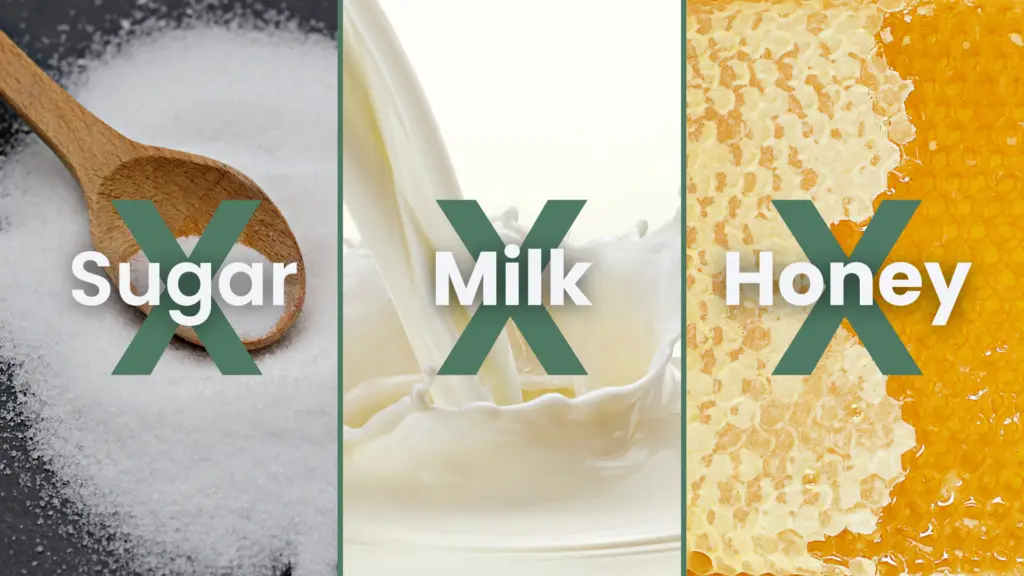
Never add sugar, milk, or honey. These can cause serious digestive issues.
Brooder Setup Tips That Support Good Feeding
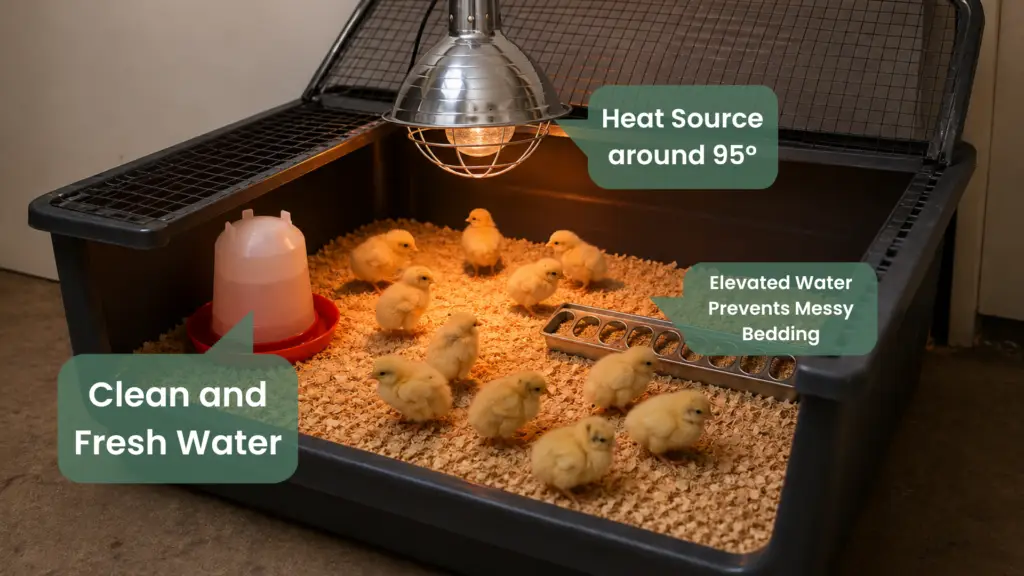
A proper brooder makes feeding easier and reduces waste. Keep the temperature at 95°F the first week, dropping 5°F each week until they’re fully feathered. Use a feeder with a lip or treadle style to keep birds from scratching feed everywhere. Elevated waterers prevent wet, messy bedding that can lead to health problems.
Common Feeding Mistakes to Avoid
- Table scraps too early: Wait until at least 4–6 weeks. Early treats can cause pasting (poop sticking to vents) or nutritional imbalances.
- Grit too soon: Chicks and ducklings don’t need grit until they start eating treats or foraging (usually after 2–3 weeks).
- Overcrowding feeders: Give every bird room to eat comfortably to prevent bullying and ensure even growth.
- Stale or damp feed: Store starter in a sealed container in a cool, dry place and never feed moldy or wet crumbles.
Signs of Healthy Growth and When to Adjust
Healthy baby chicks and ducklings are active, curious, and have round, full crops after eating. Feathers develop on schedule and legs look strong. If you notice pasted vents, lethargy, or uneven growth, check water quality and feed freshness first.
By week 8 your birds should look like miniature adults. At this point they’re ready for more space and the transition to grower or layer feed depending on breed and purpose.
Feeding Beyond the Brooder
Once they move outdoors, continue offering a complete feed and allow supervised free-ranging for natural foraging. Always provide grit in a separate dish once they’re eating grass or kitchen scraps. For laying hens, introduce oyster shell free-choice around 16–18 weeks.
Final Thoughts on Feeding Baby Chicks and Ducks
Starting with the right nutrition is one of the easiest and most important things you can do for your new flock. A consistent feeding routine with high-quality starter feed, fresh water, and careful transitions will give your baby chicks and ducks the healthy start they deserve, whether they’re future egg layers, show birds, or backyard pets.
Spring is the ideal season to get started. Your new flock will reward you with years of fresh eggs, entertainment, and the satisfaction of raising happy, healthy poultry.