103 N. London St. Mt. Sterling, OH 43143

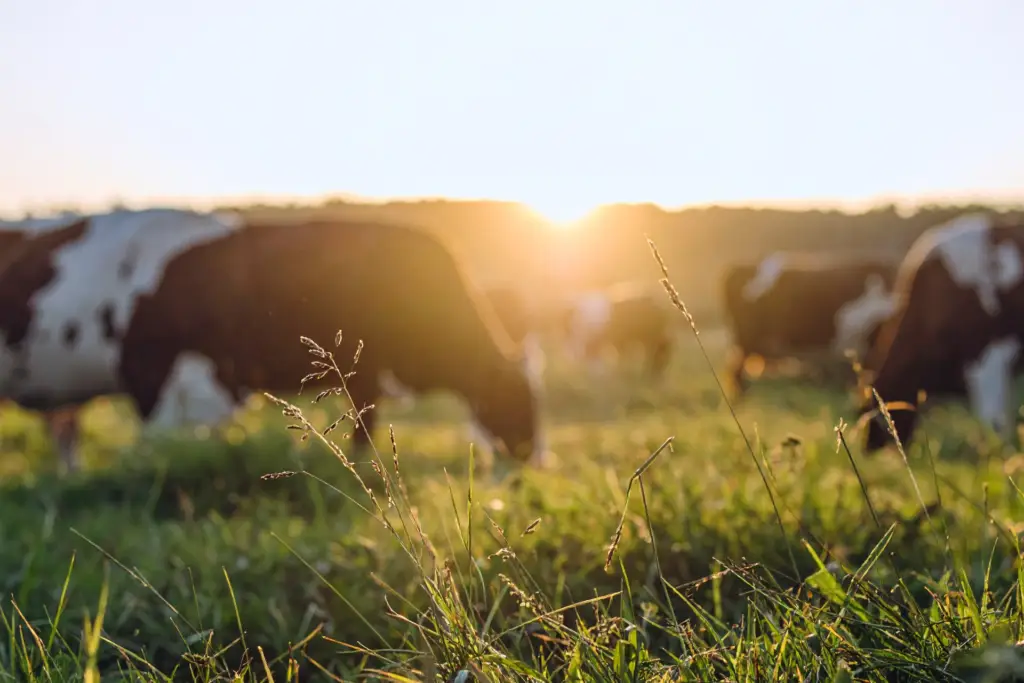
Beef cattle grazing on lush spring pasture in Ohio at sunset, healthy livestock on green forage for optimal nutrition

Spring Nutrition and Cattle Mineral Needs

Spring brings growth opportunities for cattle herds, but nutritional gaps can hinder progress. This guide details the importance of seasonal feeding, common mineral deficiencies like magnesium and phosphorus, and effective supplementation methods. Discover strategies for pasture management, health monitoring, and cost-effective practices to enhance reproduction, growth, and overall cattle well-being during this critical time.

Introduction

As spring arrives, cattle producers must prioritize nutrition to support herd health and productivity. The transition from winter dormancy brings new growth in pastures, but it also highlights potential deficiencies in minerals that can impact reproduction, growth, and overall well-being. Understanding spring nutrition and cattle mineral needs is essential for optimizing performance, whether you’re managing a beef or dairy operation. This in-depth article explores the key aspects of spring feeding strategies, mineral supplementation, and best practices to keep your cattle thriving.

Reiterman Feed & Supply located in Mt. Sterling, Ohio, specializes in high-quality mineral supplements tailored for seasonal needs. We’ll delve into why spring is critical, common deficiencies, and how to implement effective nutrition plans.

The Importance of Spring Nutrition

Spring marks a period of rapid change: cows calve, calves grow, and pastures green up. However, early spring forage is often high in water and low in dry matter, leading to nutritional gaps.

Energy requirements spike for lactating cows, needing up to 20-30% more intake. Protein is crucial for muscle development in young stock.

Minerals play a pivotal role: they support immune function, bone health, and enzyme activities. Deficiencies can cause issues like grass tetany or reduced fertility.

Common Mineral Deficiencies in Spring

Soil and forage variations lead to imbalances.

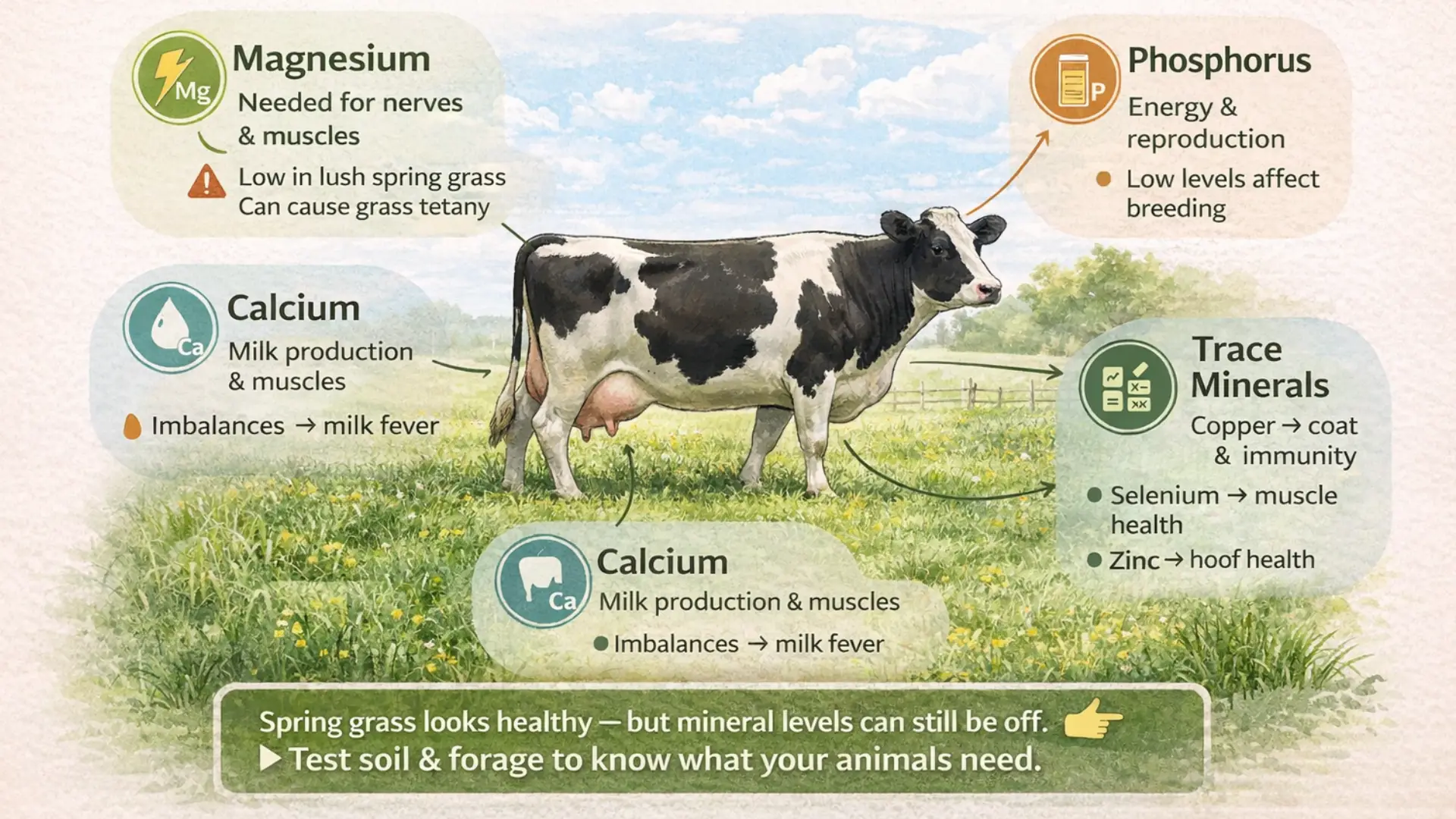
  • Magnesium: Low in lush spring grass, causing hypomagnesemia (grass tetany). Symptoms include staggering and convulsions.
  • Phosphorus: Essential for energy metabolism; deficiency affects reproduction.
  • Calcium: Critical for milk production; imbalances lead to milk fever.
  • Trace Minerals: Copper for coat color and immunity, selenium for preventing white muscle disease, zinc for hoof health.


Test soil and forage to identify specifics in your area.

Infographic of dairy cow on spring pasture showing essential minerals: magnesium to prevent grass tetany, calcium for milk fever prevention, phosphorus for reproduction, and trace minerals for immunity and hoof health

Developing a Spring Feeding Strategy

Start with pasture management: rotational grazing maximizes nutrient intake.

Supplement hay or silage if grass is sparse early on.

For minerals, use free-choice blocks or loose mixes. High-mag formulas prevent tetany.

Calculate needs based on herd stage: breeding cows need balanced N:P ratios.

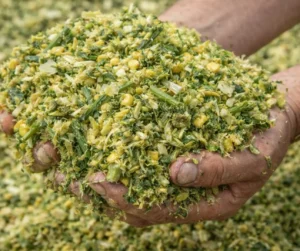
Farmer holding a handful of fresh wet corn silage, chopped green forage with corn kernels and plant material for livestock feed

Types of Mineral Supplements

Choose based on needs:
  • Loose Minerals: Easily consumed, customizable.
  • Blocks: Weather-resistant, good for pastures.
  • Tubs: Provide energy plus minerals.

Include additives like fly control in spring formulas.
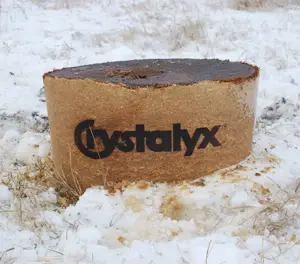
Crystalyx Supplements at Reiterman Feed & Supply

Monitoring and Adjusting Nutrition

Regular body condition scoring (BCS) assesses health, aiming for 5-6 on a 9-point scale.

Blood tests or liver biopsies confirm mineral levels.

Adjust based on weather: wet springs dilute forage nutrients.

Impact on Reproduction and Growth

Proper minerals boost conception rates; selenium enhances fertility.

Calves on balanced diets gain weight faster, targeting 1.5-2 lbs/day.

Dairy cows maintain milk yield with adequate calcium-phosphorus.

Environmental and Management Factors

Consider water quality, high sulfates interfere with copper absorption.

Wean calves strategically to reduce cow stress.

Integrate with herd health programs: vaccinate against spring diseases.

Cost-Effective Nutrition Practices

Budget wisely: bulk purchases save money.

Compare products for nutrient density, not just price.

Long-term, good nutrition reduces vet bills.

Case Studies and Expert Insights

Research from universities like Ohio State shows high-mag supplements reduce tetany by 80%.

Producers report better weaning weights with trace mineral boluses.

Sustainable Spring Nutrition

Adopt eco-friendly practices: use organic minerals if possible.

Minimize waste with targeted supplementation.

Conclusion

Addressing spring nutrition and cattle mineral needs ensures a productive season. By understanding deficiencies, implementing strategies, and monitoring progress, you’ll support herd health effectively. For premium mineral options, check out Reiterman Feed & Supply’s selection.

Share the Post:

Related Posts

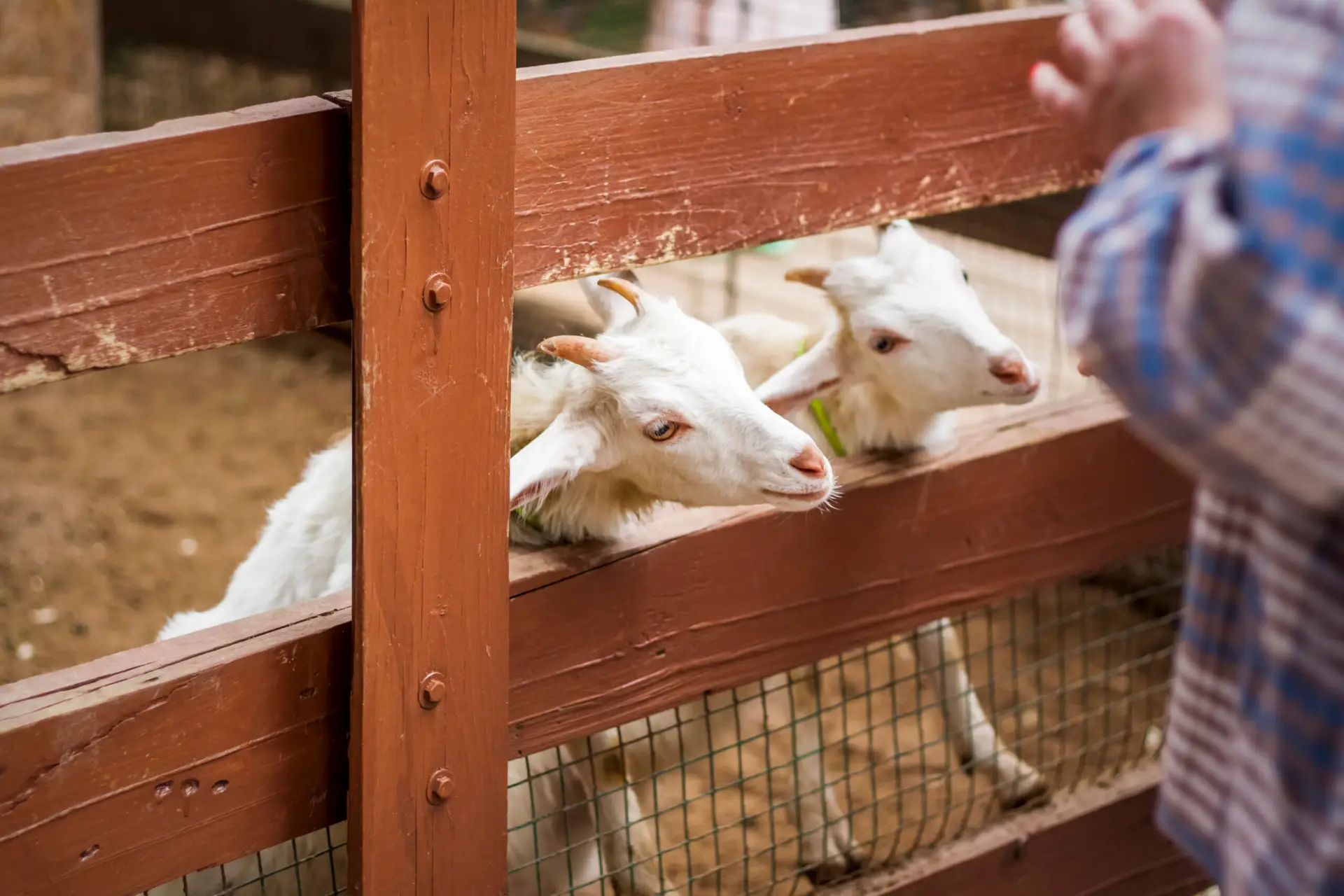
Two young white goats peeking through wooden fence at 4H fair exhibit, curious kids feeding them in barn setting

How to Pick the Perfect 4-H Animal | Beginner’s Guide

Choosing the right animal for your 4-H project can make all the difference in your learning journey. This guide covers essential steps like evaluating your space, budget, and goals, popular animal options from cattle to rabbits, health considerations, and program requirements. Avoid common pitfalls and plan for long-term success with practical advice tailored for young enthusiasts starting their agricultural adventures.

Read More
Close-up of a healthy goat browsing on fresh green grass in a pasture, illustrating natural feeding habits for beginner goat owners

Beginner’s Guide to Raising Goats: Essential Tips for New Goat Owners

Raising goats is an incredibly rewarding venture for beginners, whether you’re aiming for fresh milk, quality meat, luxurious fiber, or just the joy of having these curious and affectionate animals around. Goats are intelligent, playful, and social creatures that can turn a backyard or small farm into a lively space.This comprehensive beginner’s guide to how to raise goats covers everything from selecting the right breed and setting up secure housing to proper nutrition, daily health management, and supplementing pasture with convenient options like the Purina® Accuration® Sheep & Goat Hi-Fat Block.Start small, embrace the learning curve, and soon you’ll have a thriving herd. For expert advice and all your goat feed needs in Mt. Sterling, Ohio, visit Reiterman Feed & Supply or call (740) 869-3817!

Read More