Choosing the right animal for your 4-H project is a crucial decision that can shape your entire experience in the program. 4-H, a youth development organization focused on hands-on learning in agriculture and animal husbandry, offers opportunities to raise animals like livestock, poultry, or even small pets. But with so many options available, how do you select the one that’s perfect for you? This guide will walk you through the essential steps, considerations, and tips to ensure you make an informed choice that aligns with your goals, resources, and interests. Whether you’re a beginner or have some experience, picking the perfect 4-H animal involves evaluating your lifestyle, budget, and commitment level.
At Reiterman Feed & Supply, we understand the excitement and challenges of starting a 4-H project. Our team in Mt. Sterling, Ohio, has helped countless young enthusiasts find the right fit for their animal projects. In this comprehensive article, we’ll cover everything from assessing your personal situation to understanding breed specifics and long-term care requirements.
Assessing Your Personal Situation
Before diving into specific animals, it’s important to take a step back and evaluate your own circumstances. This self-assessment will help narrow down your options and prevent common pitfalls.
First, consider your living environment. Do you live on a farm with ample space, or in a suburban area with limited acreage? Larger animals like cattle or horses require significant pasture and housing, while smaller ones like rabbits or chickens can thrive in backyard setups. For instance, if space is a constraint, opt for animals that don’t need vast areas to roam.
Next, think about your time commitment. 4-H projects demand daily care, including feeding, grooming, and training. If you’re balancing school, sports, or other activities, choose an animal that fits your schedule. Rabbits, for example, are relatively low-maintenance compared to sheep, which might need shearing and more intensive health monitoring.
Budget is another key factor. Initial costs include purchasing the animal, but ongoing expenses like feed, veterinary care, and equipment can add up. Calculate a rough estimate: a market lamb, goat, pigs and steers will have a higher monthly cost than the smaller animals like rabbits and chickens.
Family involvement matters too. Will your parents or siblings help with chores? Discuss responsibilities upfront to ensure everyone is on board. Finally, reflect on your goals. Are you aiming for show competitions, learning about breeding, or focusing on meat production? Your objectives will guide your choice.
Popular 4-H Animal Options
4-H programs offer a wide variety of animals, each with unique benefits and challenges. Here’s an overview of some popular choices to help you decide.
Livestock Options:
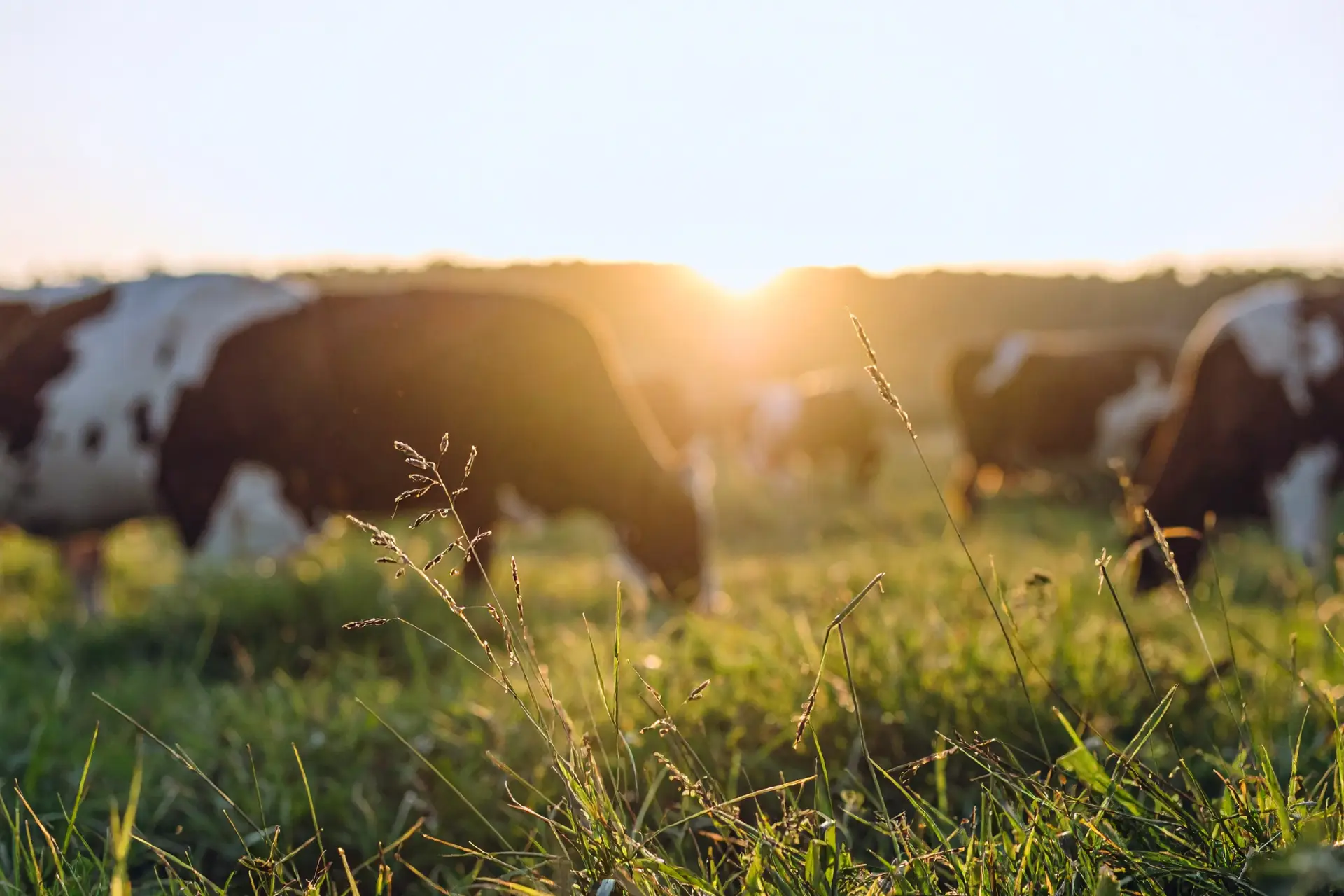
- Cattle: Ideal for those interested in beef or dairy projects. Breeds like Angus for beef or Holstein for dairy are common. They teach responsibility in feeding and health management but require substantial space and investment.
- Swine: Pigs are intelligent and grow quickly, making them great for market projects. They’re relatively easy to handle but need secure fencing to prevent escapes.
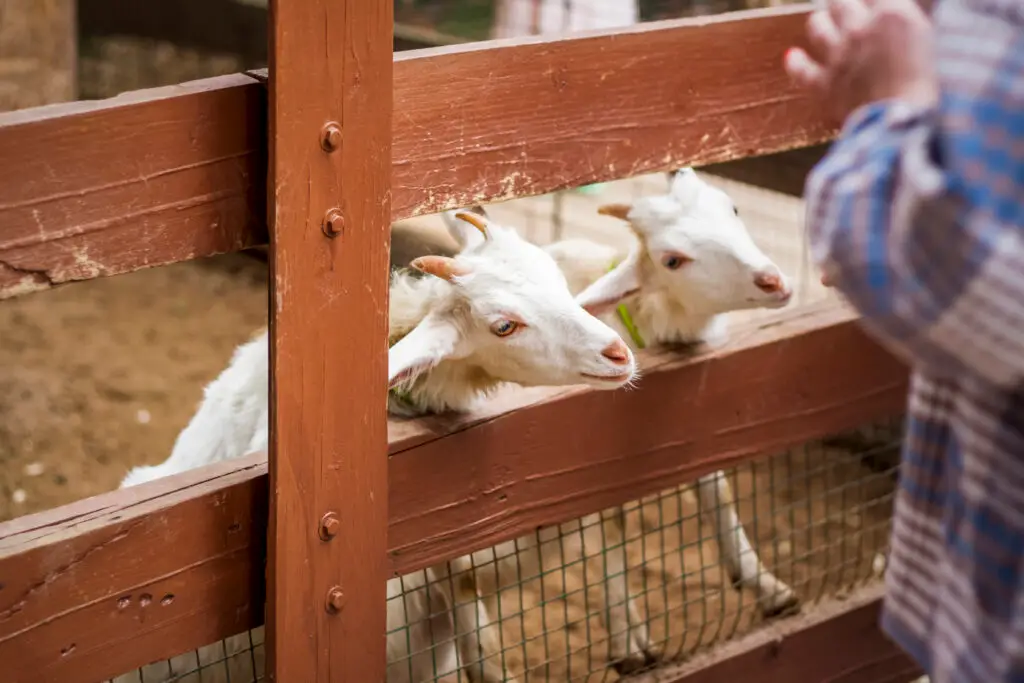
- Sheep and Goats: Sheep and goats are versatile for smaller spaces and offer lessons in grooming and showing.


Poultry and Small Animals:
- Chickens: Perfect for beginners.You can choose between meat chickens or fancy breed chickens.
- Rabbits: Breeds like New Zealand for meat or Flemish Giant for show. They’re quiet, space-efficient, and great for urban 4-H members.
- Other Small Pets: Ducks, turkeys, or even cavies (guinea pigs) for non-traditional projects.
When selecting, research breed characteristics. For example, some breeds are more docile, which is better for younger participants.
Health and Temperament Considerations
The health and temperament of your chosen animal are paramount for a successful 4-H experience.
Start by sourcing from reputable breeders or auctions. Look for animals with clear health records, vaccinations, and no signs of illness like lethargy or poor coat condition. A vet check before purchase is advisable.
Temperament is equally important. Observe how the animal interacts with people. A skittish goat might be hard to train for shows, while a calm one will make handling easier. For larger animals, ensure they’re halter-broken if possible.
Consider age too. Younger animals (weanlings) allow more bonding time but require more training, whereas older ones might be show-ready but harder to imprint on.
Legal and Program Requirements
Don’t overlook the rules of your local 4-H chapter. Each county might have specific guidelines on eligible animals, project deadlines, and fair participation.
Check zoning laws in your area. Some residential zones restrict livestock, so confirm what’s allowed. Additionally, 4-H often requires enrollment in specific projects, like market steer or breeding heifer.
Insurance and liability are worth considering. Some families opt for additional coverage for animal-related incidents.
Budgeting and Resource Planning
A detailed budget helps avoid surprises. Break it down:
- Acquisition: $100-1000 depending on the animal.
- Housing: Barns, coops, or pens, $200-2000.
- Feed and Supplies: Monthly costs vary; use quality feeds from trusted suppliers like Reiterman Feed to ensure nutrition.
- Vet and Misc: Annual check-ups, deworming, etc.
Plan for resources like water sources, waste management, and transportation to fairs.
Training and Bonding Tips
Once selected, building a bond is key. Spend time daily with your animal to build trust. For example, hand-feeding treats can help.
Basic training includes leading, standing for judging, and grooming. Join 4-H workshops for guidance.
Common Mistakes to Avoid
Avoid impulse buys at auctions without research. Don’t underestimate care needs or choose based solely on cuteness. Always have a backup plan for if the project doesn’t go as expected.
Long-Term Benefits of 4-H Animal Projects
Beyond the fair, 4-H builds life skills like responsibility, public speaking, and leadership. Many participants go on to careers in agriculture or veterinary science.
Conclusion
Picking the perfect 4-H animal is about matching your lifestyle with the right choice. By assessing your situation, researching options, and planning carefully, you’ll set yourself up for success. Remember, the journey is as rewarding as the outcome. If you’re in the Mt. Sterling area, stop by Reiterman Feed & Supply for expert advice and supplies to get started.