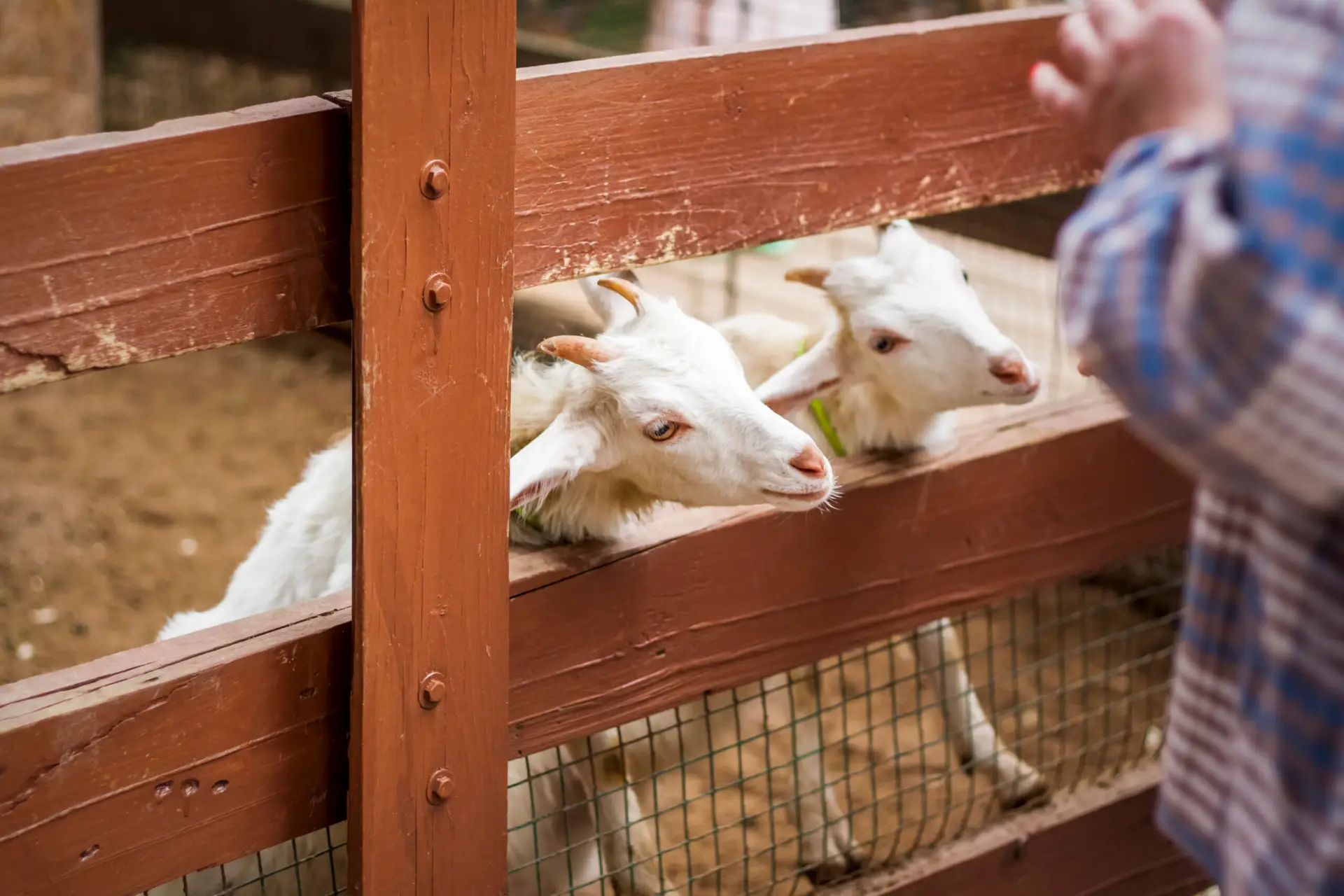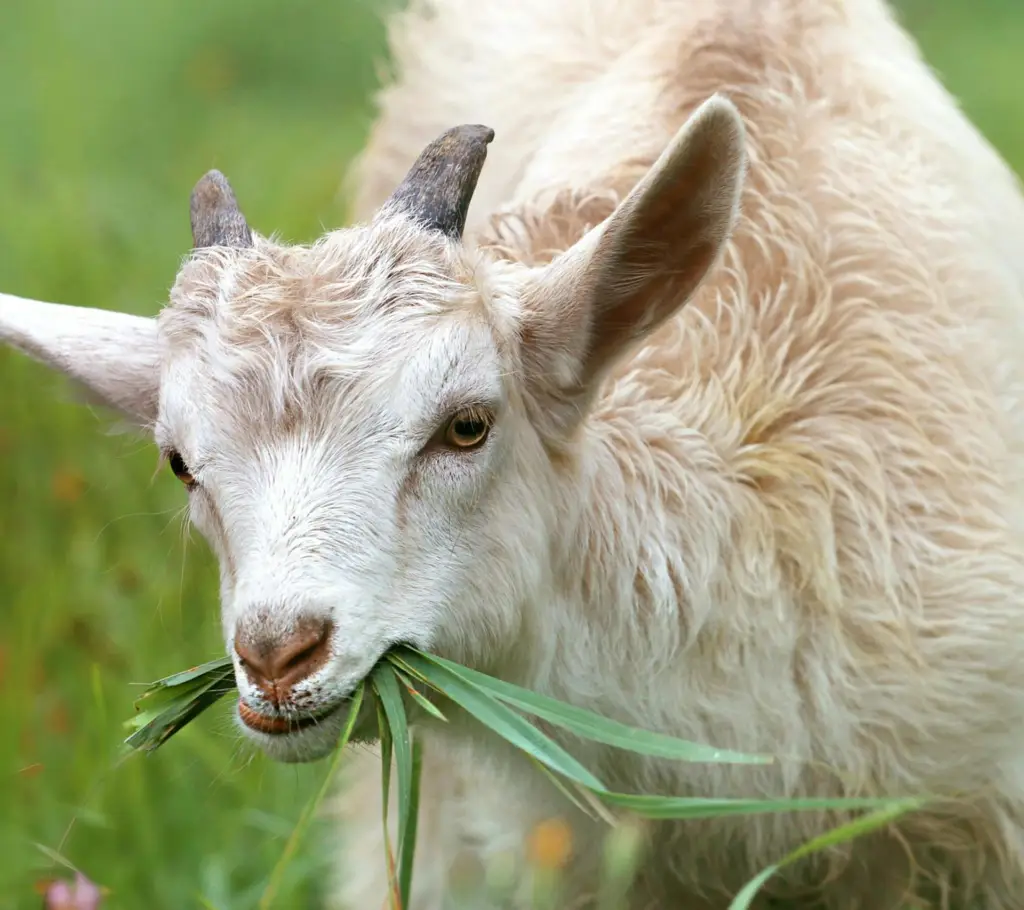
Raising goats is an incredibly rewarding venture for beginners, whether you’re aiming for fresh milk, quality meat, luxurious fiber, or just the joy of having these curious and affectionate animals around. Goats are intelligent, playful, and social creatures that can turn a backyard or small farm into a lively space. However, successful goat raising requires understanding their needs, from breed selection to daily care. This comprehensive beginner’s guide to how to raise goats will walk you through everything you need to know to get started and keep your herd healthy and happy.
Selecting the Right Goat Breed for Your Goals
One of the first steps in learning how to raise goats is choosing the appropriate breed. There are over 300 goat breeds worldwide, but they generally fall into categories: dairy, meat, fiber, and dual-purpose or pet breeds.
Dairy goats, such as Nubian, Saanen, Alpine, LaMancha, Oberhasli, and Nigerian Dwarf, are popular for their high milk production. Nubians are known for their long ears and rich, buttery milk, while Nigerian Dwarfs are smaller and ideal for limited space, producing surprisingly large amounts of milk relative to their size.
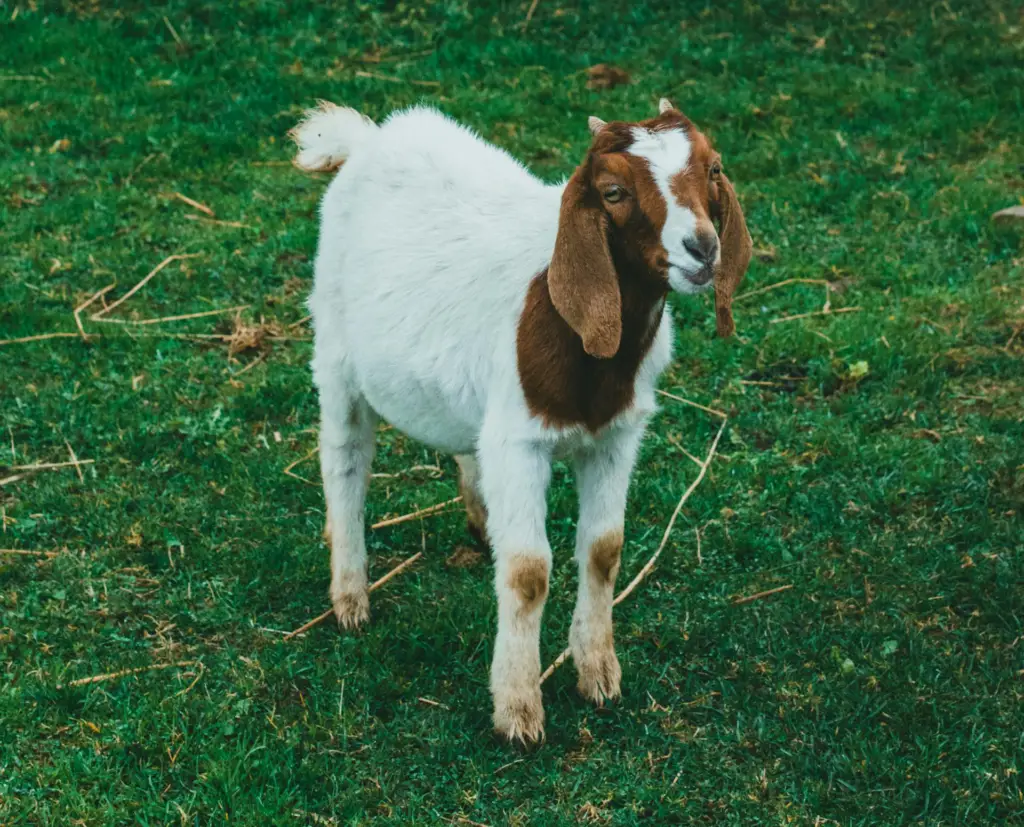
Meat goats, like the Boer, Kiko, and Spanish, are bred for fast growth and muscular builds, making them efficient for meat production. Boer goats, originating from South Africa, are particularly hardy and gain weight quickly on pasture.
Fiber goats include Angora for mohair and Cashmere-producing breeds. These require shearing twice a year and thrive in cooler climates.
Miniature breeds like Pygmy goats are often kept as pets due to their small size and friendly personalities. Many beginners start with mixed or dual-purpose breeds for versatility.
Consider your climate, available space, and goals when selecting. Research local breeders or rescues to find healthy stock, and always quarantine new goats to prevent disease spread.
Goats are herd animals and suffer if kept alone. Plan for at least two, preferably three or more, to ensure companionship and reduce stress-related issues.
Housing and Fencing: Creating a Safe Environment
Proper goat housing and fencing are crucial for safety and comfort. Goats need shelter from rain, wind, snow, and extreme heat. A simple three-sided shed or converted barn works well, providing at least 20-25 square feet per goat indoors. Ensure good ventilation to prevent respiratory issues, and use deep bedding like straw or wood shavings for dryness and warmth.
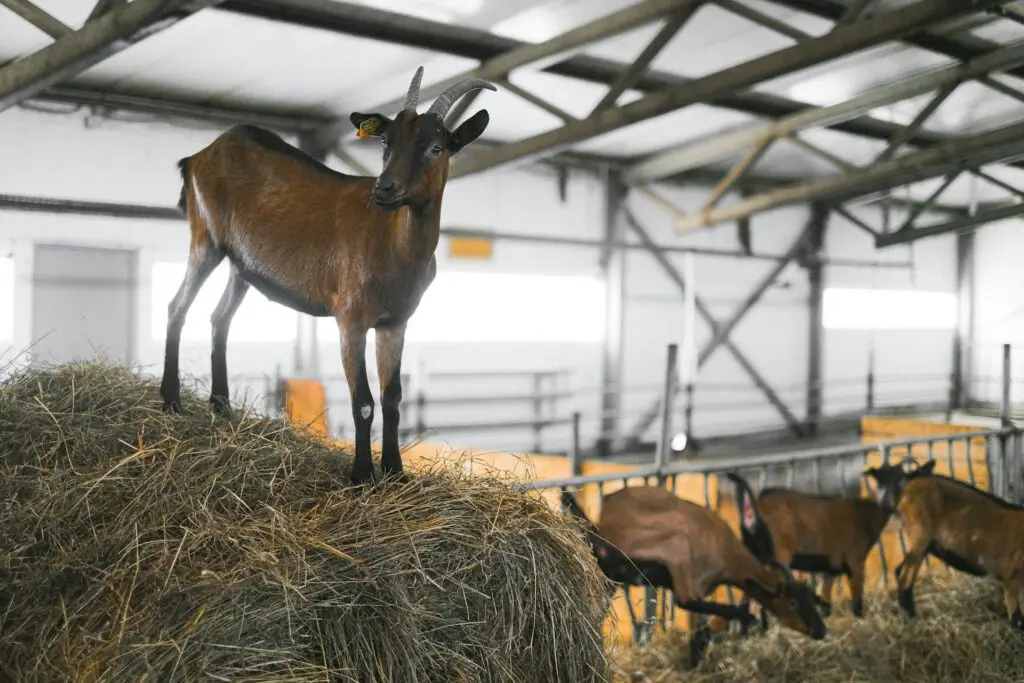
In hotter climates, shade is essential, while in colder areas, windbreaks and insulated bedding help. Include raised platforms or spools for climbing, as goats love elevation for play and rest.
Fencing is often the biggest challenge for new owners, goats are escape artists! Standard recommendations include woven wire or cattle panels at least 4-5 feet high, with smaller mesh at the bottom to prevent kids from slipping through. Electric fencing, either net or multi-strand, is highly effective and portable for rotational grazing. Avoid barbed wire, as it can cause injuries.
Secure gates and check fences regularly. A well-fenced area of at least 200-250 square feet per goat outdoors allows for exercise and browsing.
Understanding Goat Nutrition and Feeding
Feeding goats properly is the cornerstone of good health. Goats are browsers, not grazers like sheep or cows. They prefer leaves, shrubs, twigs, vines, and weeds over grass, using their mobile upper lips to select the best parts.
Quality forage, pasture, hay, or browse, should make up 80-90% of their diet. In pasture systems, rotational grazing prevents overgrazing and reduces parasites. Offer free-choice loose minerals specifically formulated for goats (avoid sheep minerals due to copper differences), as deficiencies can lead to health problems.
Clean, fresh water is non-negotiable; goats drink 1-3 gallons daily, more in heat or lactation.
Grains or concentrates are supplements, not staples, used sparingly for energy boosts in kids, lactating does, or working bucks. Overfeeding grain can cause digestive upset like bloat or acidosis.
For goats on pasture, seasonal changes affect forage quality. In late summer or winter, fair-quality forages may lack protein, energy, fat, vitamins, or minerals. This is where goat supplements shine.

The Role of Hi-Fat Block Supplements in Pasture-Based Systems
A convenient way to address nutrient gaps in pasture-raised goats is with weatherproof protein blocks. The Purina® Accuration® Sheep & Goat Hi-Fat Block is an excellent example designed specifically for sheep and goats on pasture.
This premium supplement features added fat for concentrated energy, helping maintain body condition during low-forage periods or high-demand stages like late gestation or lactation. It includes protein to support muscle and milk production, plus essential vitamins and minerals to correct deficiencies common in average forages.
Importantly, it contains no added copper, making it safe for sheep while meeting goat needs. The proprietary Accuration® technology encourages self-regulated intake, mimicking natural grazing patterns with small, frequent meals for better digestion and consistent nutrition.
Weather-resistant and easy to place in the pasture, this hi-fat block offers convenience and peace of mind, reducing the need for daily feeding while supporting year-round herd performance. Backed by the trusted Purina® brand, it’s a reliable choice for balancing pasture diets.
Health Care and Daily Management
- Companionship: Always keep goats in groups to prevent loneliness and behavioral issues.
- Animal Health: Establish a relationship with a goat-savvy veterinarian. Vaccinate for CDT (clostridium perfringens types C&D and tetanus), and deworm based on fecal egg counts rather than schedules to combat resistance. Monitor for common issues like parasites, lice, or foot rot.
- Requirements for Nutrients: Tailor feeding to life stage, more for growing kids, pregnant/lactating does.
- Environment: Keep areas clean and dry to minimize disease.
Common Challenges and Tips for Success
New goat owners often face escapes, overeating toxic plants (like wilted cherry leaves or azaleas), or parasite overload. Educate yourself on poisonous plants and use goats’ browsing to clear land sustainably.
Start small, join local goat groups or forums for support, and be patient, goats have big personalities!
With proper goat care, including quality forage, targeted supplementation like the Purina Accuration Sheep & Goat Hi-Fat Block for pasture herds, secure housing, and attentive health management, your goats will thrive.
Raising goats brings fresh products, natural land management, and endless entertainment. Embrace the learning curve, and you’ll soon wonder how you ever lived without them. For all your goat needs, from premium feeds and supplements like the Purina® Accuration® Sheep & Goat Hi-Fat Block to expert advice, visit Reiterman Feed & Supply in Mt. Sterling, Ohio, or give us a call at (740) 869-3817. We’re here to support your goat-raising journey!